












Blog

Blog
More Expensive Than Carbon Chest
The researchers from the United States (USA), Germany, Canada, Italy and the Netherlands conducted a study with the calculation of the ocean-based effects of the carbon release. The study published in Nature Climate Change showed that the oceans are doubled about the social cost of the carbon (SCC). In the study, seas, oceans and...

Blog
‘Bana Won’ Perception Makes İt Difficult to Fight Global Climate
The researchers say that people believe that climate change affects others more than themselves, a ‘psychological bias, which compelling the fight against global warming. The researchers from Gothenburg University in Sweden analyzed 83 studies, covering more than 70 thousand people in 17 countries where participants from the US, Asia and Europe were located. English...

Blog
Is the Net Zero Target Really Applied?
EY 2025 report reveals that most businesses have set a clear zero goal but that these targets remain in the class of applicability.
Blog
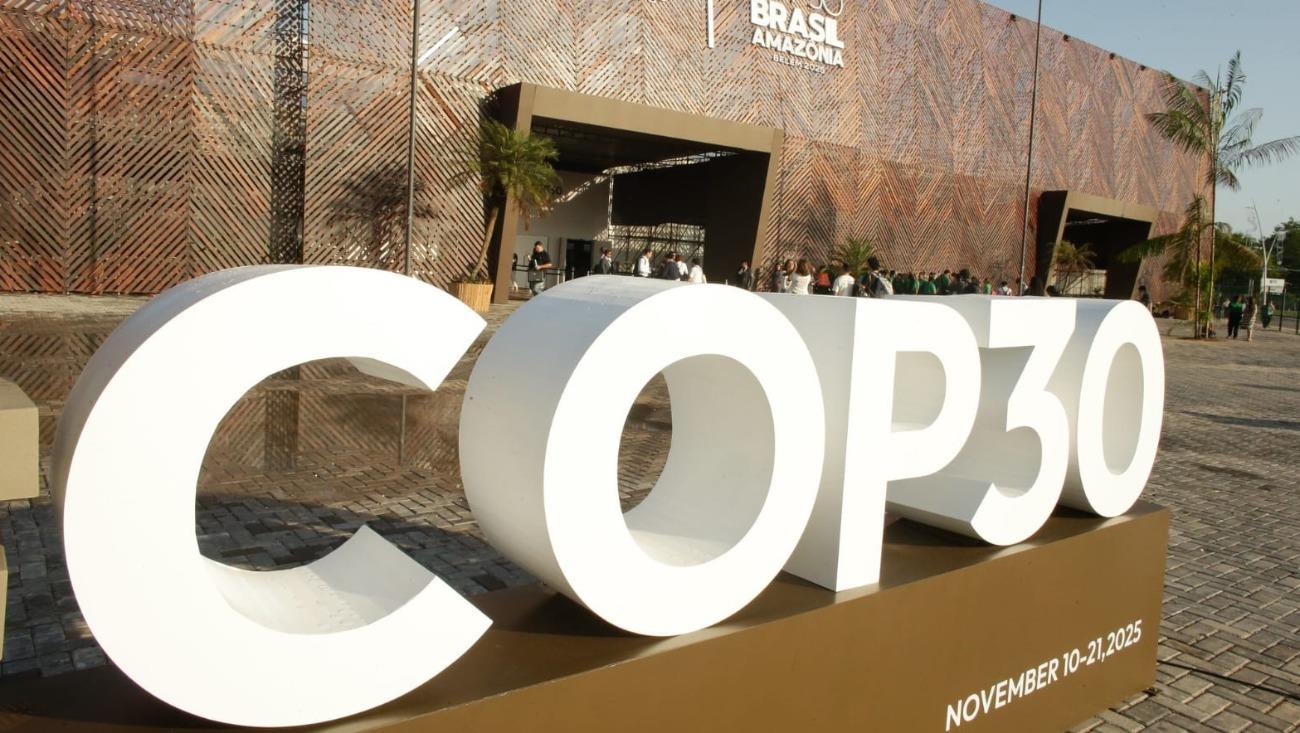
COP30’s Nineth Day
On the ninth day of the United Nations Climate Change Conference (COP30), the negotiations pointed to a stage where significant progresses are recorded in the hardest and result decisive titles. New investment initiatives for the reclaiming of lands, the steps to strengthen the integrity standards in the carbon markets, the global South Business Association and...
Blog
Increased Costs Harm the Energy Sector
Climate shocks, increased costs and geopolitical voltages create fluctuations in global industries; energy and food sectors are among the most affected ones.

Blog
Lecture Notes Before COP30
Climate change continues to be one of the most urgent global problems of the twenty-first century. For decades, world leaders are sitting on the table with the search of solutions; many international agreements were signed from Kyoto Protocol (1997) to Paris Agreement (2015). However, while global emissions continue to increase, biological diversity is rapidly reduced. Except exceptional achievements such as the Montreal Protocol,...

Blog
What Does Closed Ecosystems Teach Us?
Climate change is one of the most critical issues of our era. Science emphasizes that the planet is increasingly faced with more ‘disable threshold’ points, applying for new methods to understand nature and see the future. One of these methods is human-made biospheres: huge closed systems that aim to recreate ecosystems under controlled conditions. Arizon...
Blog
Technology Will Save the Future of Corals
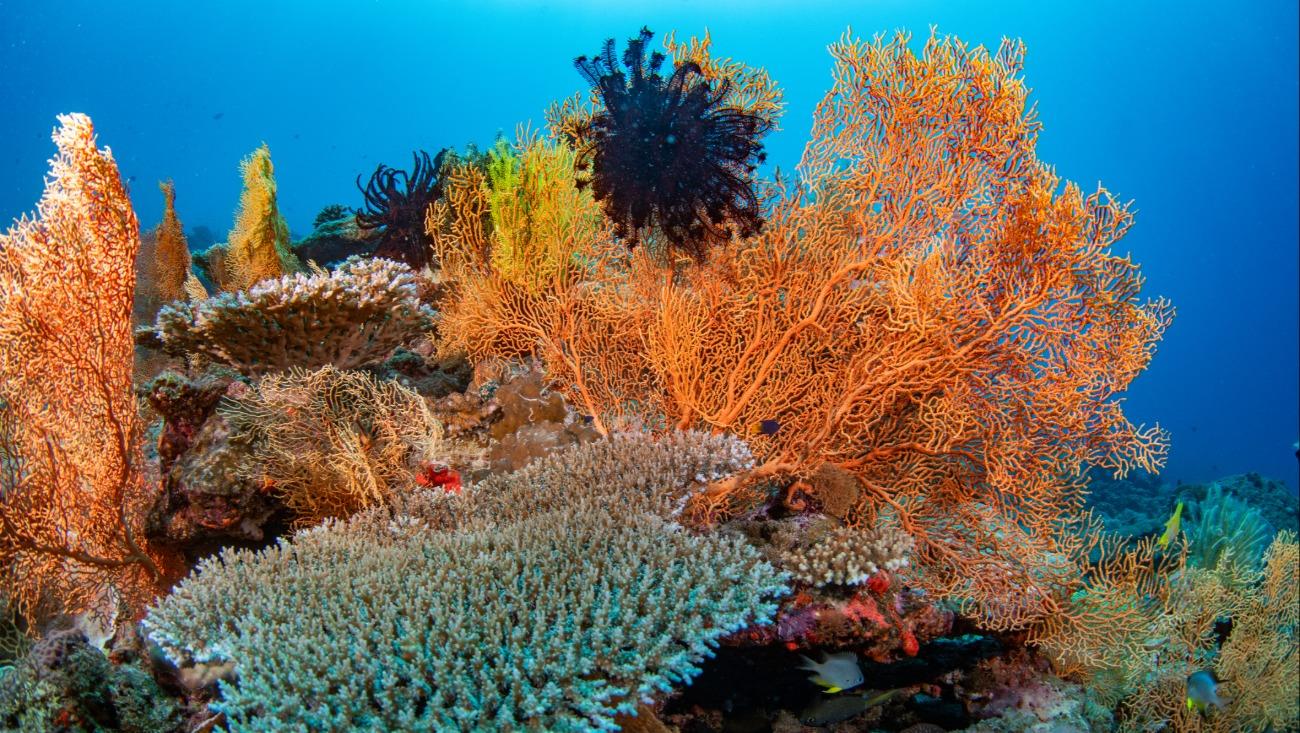
Coral reefs in marine life are very important. The International Coral Reefs Initiative (ICRI) leads Saudi Arabia to the new era, and the goal is to cover the coral reef close to 90 percent of the world up to 2027. In this context, protection and restoration works are now limited to classical methods, supported by advanced technology. For half a million coral columns in Florida Keys...

Blog
Made of Electricity from Rain
From Singapore National University, researchers managed to produce electricity through a tube through ordinary water droplets. The system used in the experiment was able to produce energy up to 12 LED lights. This invention indicates that the rain can turn into renewable and clean energy source one day. Science people are handed with a special water movement model called “dulum stream”...

Blog
How Much Are the Business World Ready for Green Transformation?
SKD Türkiye’s 2025 Corporate Sustainability Survey reveals that sustainability is strategically priority in the business world, but there are serious deficiencies in practice.

Blog
The Carbon Account in the İndustry İs İmportant
The ratio of industrial companies that calculate carbon footprint has been released from 13 percent in one year; in exporter companies, this rate is 26 percent.

Blog
Does Every Artificial İntelligence Trigger Global Warming?
Artificial intelligence systems, especially large language models and deep learning algorithms, require high calculation strength. This increases energy consumption of data centers. For example, a ChatGPT query spends about 10 times more energy than a traditional Google search. This increasing energy needs of data centers is about 1.5 percent of global electricity consumption. This...