


11 questions about climate crisis 11 as well as Tags
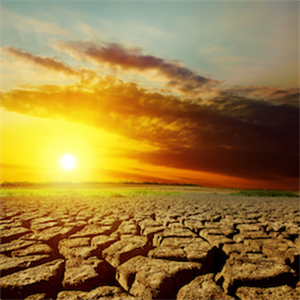
The attack has affected the whole world as one of the most urgent and comprehensive problems of today. The steps to be thrown because it has vital importance for both individuals and societies. We’ve compiled the answers to the most frequently asked 11 questions about the climate crisis.
1. What is the climate crisis?][
Climate crisis is a term that defines the devastating effects of global warming and climate changes caused by human activities, natural systems and human communities. Human-source factors such as the increase of carbon emissions, forest-freeization and fossil fuel usage cause the rise of temperatures worldwide by increasing greenhouse gas concentrations in the atmosphere. This situation leads to the increase of extreme weather events, rising sea levels and disruption of ecosystems. [
2. How did the climate crisis start?][
Climate crisis started with Industrial Revolution. From the late 18th century, carbon dioxide (CO2) levels in the atmosphere began to increase rapidly with the use of fossil fuels (seed, oil, natural gas). However, forestlessness and industrialization contribute to the accumulation of greenhouse gases in the atmosphere. This process led to the increase of global temperatures by thickening the layer of greenhouse gas that keeps earth heat.
3. What is the biggest effects of climate crisis?][
The effects of climate crisis are very extensive. We can sort these...
The weather events of ecstrem:] The frequency and severity of the extreme weather events such as Sel, hurricane, drought and forest fires are increasing.
The rise of the sea level: The global warming leads to the growth of sea levels by leading the melting of icelets and expanding ocean waters. [
Reduction of the pharmacological variety:[] Habitat loss, factors such as temperature changes and acidization, increase the risk of destroying many plant and animal species.
Food safety threats: Design efficiency falls due to varying climate conditions, which threatens food supply.
Health problems:] Heat waves increase health risks such as the spread of air pollution and diseases. [email protected]
4. Which countries trigger more?]
Countries that contribute to the climate crisis, historically industrialized and high levels of greenhouse gas emissions. The largest emission sources include US, China, India, Russia and European Union countries. However, when the carbon footprint per person is examined, the United States and some Gulf countries attract it on this regard.
5. What can be done to stop the climate crisis?][
Many steps can be taken to stop the climate crisis.
]
Renewable energy use[: Instead of fossil fuels, the use of renewable energy sources such as solar, wind and hydroelectric should be improved.
Energy efficiency: ]The energy efficiency should be improved in places, transportation and industrial processes. [
The prevention of inhumanization:[] Wooding work should be supported and stopped inforestation.
Carbon tax: Economic incentives such as carbon tax to reduce carbon release should be applied.[
Global collaboration: The implementation of international agreements such as Paris Agreement and increasing global business unity is important.
6. What is the Paris Agreement? Why is it important?][
Paris Agreement is an international climate agreement signed by 195 countries in 2015. The main purpose of the agreement is to keep the global temperature rise under 2°C according to the pre-industrial levels and limit up to 1.5°C if possible. The Paris Agreement aims to provide coordination of global efforts in the fight against emissions reduction commitments of countries and climate change. [
7. What does the climate crisis affect economicly?][
The economic effects of climate crisis are very large and complex. Extreme air events can lead to economic losses in sectors such as agriculture and tourism. In addition, due to the rise of the sea level and extreme weather events, infrastructure damage can bring billions of dollars. In addition, investments required for measures to be taken against climate crisis will affect the economy. However, if these measures are not taken in the long run, the damage to the climate crisis will be much higher than the prevention costs. [
[
8. How to influence Turkish climate crisis?][
Turkey began to seriously feel the effects of climate crisis. In particular, the reduction of water resources, the increase of efficiency in agriculture, and the increase of ex-rem air events directly affects Turkey. In addition, Turkey, located in the Mediterranean basin, faces risks such as drought and forest fires. Climate change also poses serious threats on the biological diversity of Turkey.
9. Does the climate crisis create social injustice?][
Yes, the climate crisis can deepen social injustices. Most affected by the crisis are poor and vulnerable communities that are often at least responsible for the crisis. Since the developing countries have less resources and infrastructure than developed countries, they are forced to cope with the effects of climate change. In addition, low-incoming groups, food safety, access to water resources and under greater risk on issues such as health problems.
[
10. What can we do with individual climate crisis?]
There are many steps that can be taken individually. We can briefly summarize these...
]
Energy saving:] Reduce electricity consumption, use energy efficient devices.
Change in the port:Using public transport tools, cycling or walking.
Back conversion:] Recycling waste and reduce waste production.
Nutrition habits:] Adopt a plant-based diet and reduce the consumption of meat. [email protected]
[Local and sustainable products:[]Support local manufacturers and prefer sustainable products.
11. Is it possible to completely stop the climate crisis in the future?][
It can be difficult to completely stop the climate crisis in the future but it is possible to greatly reduce its effects. radical measures to be taken in the global diameter can be avoided from the most devastating effects of this crisis with severe reduction of carbon emissions and transition to renewable energy sources. Science people are able to realize the 1st5°C goal but they indicate that it needs to move quickly and with stability. Manage climate crisis requires a long-term and sustainable effort. [
Source: Sustainable Living