

12 new live types in Atlantik
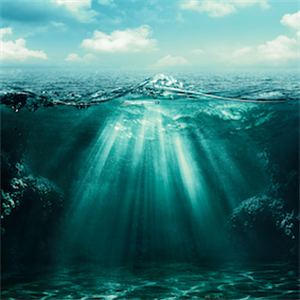
For the years Atlas (Atlantik) continued in the Ocean, until now, 12 new types were discovered in the most detailed research. Yosun animals, softs and corals have not been discovered due to the fact that the work done on the bottom until now is insufficient. Science alerts people can now be under the threat of climate change from the newly discovered species. The carbon dioxide, which is cooled by the ocean, increases the level of acid in waters, and especially leads to decay of corals. Science emphasizes ‘not too late to protect people from these special types and habitats.
Important findings from new discoveries in work:]
Home New types: ‘At least’ 12 new deep water types were discovered. The team also received 35 new tracks of species living in previously known areas. [
Home Climate change: warming of the oceans, acidization and reduction of nutrients, can destroy the living areas of the subsea species by 2100.
Home Hydrothermal chimneys: Science discovered marine base discharges near Azorlar. Hydrothermal chimneys are important areas in terms of biological productivity, which can host different types of ocean deep.
]
It is possible to find new ecosystems in the preparations[
Prof. George Wolff, who participated in Atlas project from Liverpool University, said that the maps of the moon and Mars surfaces are still better than maps of the oceans. Wolff; “You find something new if you go on the seas. Not only new types, new ecosystems are also possible to find. Prof. Prof. Edinburgh University leading to the project. In the statement that Murray Roberts made to BBC, five years of research revealed some special areas in the ocean. Roberts; “We found deep water cities consisting of sparks and ocean corals. These areas support life in the ocean. Fish leave eggs to these regions. If these cities are destroyed by the human hand, fish can not find a place to soften and these ecosystems lose their function for future generations. This is important to grasp the importance of rainforest for biodiversity. The same applies for deep seas. There is a connection between the areas that all need to be protected. "
As the motorway that connects the living areas
The project attended researchers from 13 countries around the Atlas Ocean. Science researched people how the ocean environment has changed as a result of global warming, what people strive to benefit from deep seas. Research on ocean discharges revealed that the discharges in the North Atlantic are severely reduced due to climate change. Prof. Roberts, "We have very size results. But basically, connections between ecosystems are weakened. Blitzes are like highways connecting different living spaces in the endless ocean. Prof. Claire Armstrong, working in the field of natural resources economy at the University of Tromso, spoke as follows: "With this research, we had the chance to see what we risk. Ocean depths remain outside our viewing area. We do not see what we do in the environment, what the results can be. "
Source: Ecosystems