


25 percent of freshwater fish are under danger
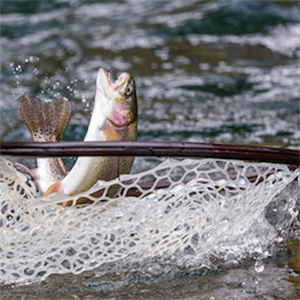
In our day, sweet water fish in various regions of the world are pleasantly directed due to changes and logic in the ecosystems they live. The red list assessment made by the International Natural Protection Association (IUCN) offers important information that reveals you of this danger.
Global warming and extreme hunting effective[[[
]
According to the assessment of IUCN, climate change occurs 25 percent of freshwater fish, such as dropping water levels, season changes and blend to freshwater ecosystems of seawater. Among the species, Turkana Lake in Kenya from the noble fish, many fish from the Meong giant fish in Southeast Asia, under the risk of depletion. Global warming, pollution, over hunting and dropping water levels, among the main factors that adversely affect the populations. [[
The positive results of the effort of concrete
The reappearance in the Pala horned antilobun Çad and the increase in the population of Sayga antilob shows positive results of protection efforts. But types such as maun tree, Atlantic salmon and green turtles are still liked. According to IUCN President Razan Al Mubarak, the red list update highlights the importance of coordination against climate control and biodiversity issues. In order to be permanent of protection actions, climate and biodiversity crises have to be addressed asylum.
Stainable management is critical for sources]
Industrial and non-a sustainable maun tree harvester caused 60 percent reduction in the last 180 years. The Atlantik salmon has entered the list under obstacles by poverty 23 percent with factors such as habitat loss, global warming and dams. According to Kathy Hughes, the bride of freshwater fish, the correct management of sweet water ecosystems is vital to stop the release of water flow and the preservation of water quality, the reduction of species. Sustainable management of freshwater ecosystems is critical to carry vital needs of billions of people and the sources of a million people.
Black efforts should be sought
]
Middle South Pacific and Eastern Pacific Green Turtles are under Danger with the influence of global temperatures and sea levels. success temperatures temperatures success success success success sea. This review takes the obstacles of sustainable efforts in the fight against protection and climate control before again. Without protection and delay efforts, the future of many types of the world may be in danger.
Source: Ecosystems