


Climate crisis is a health crisis
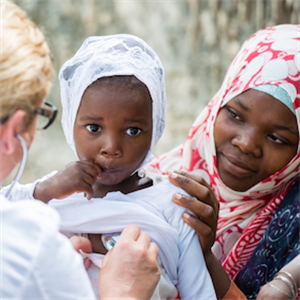
According to a article published by the World Economic Forum, the climate crisis not only limited to environmental influences, but also deep follows on global health. By 2050, it is estimated that the direct effects of climate change will result in 14.5 million additional deaths and the loss of two billion healthy lives throughout the world. Increased temperatures, severe weather events and environmental changes create serious threats on both physical and mental health while forced healthcare systems.
How to deepen health problems?]
[1. Increased insufficient nutrition and hunger]
Climate change faces millions of people hunger risk by affecting agricultural production and food supply chains. According to the World Food Program, 2050 percent of hunger and insufficient nutrition risk can increase. From now to one of 10 people all over the world. 150 million children under five years are growing in a way that lacks basic nutrients, which leads to development back.
2. Spread of tropical diseases[
Increased temperatures and dense rainfalls cause the spread of vector carriers like mosquitoes into new regions. This condition is prepared for the prevalence of diseases such as malaria and dang humma. For example, in 2022, excessive flood disasters in Pakistan led to a five-fold increase in cases of malaria. New approved malaria vaccines continue risk at hope light verse.
3. Increase of neurodegenerative diseases
Increased temperatures increase the incidence rate of neurological disorders such as Alzheimer’s, demans and motor neuron diseases. According to scientists, temperature increases lead to the progress of diseases by affecting biological processes in the brain. Also air pollution is another important factor that contributes to the development of these diseases.
]
4. Increase of chronic disease risk[
Non-invasive diseases such as heart-damar diseases, diabetes and cancer constitute 75 percent of deaths worldwide. Climate change leads to a direct and indirect increase of these diseases. For example, when triggering air pollution, stroke and heart crises, economic and social inequalities are limited to access people’s health care services.
5. Negative effects on mental health[
Natural disasters connected to increased temperatures and climate attacks, not only physical health, but also affects the health of the soul. Depression shows an increase in anxiety and suicide rates along with hot air waves and social ambiguities. In addition, social factors such as homelessness, hunger and unemployment, increase the load on mental health.
Call for health systems: Invest in durable solutions[
It is necessary to take urgent measures to reduce the effects of climate crisis on health. The World Economic Forum ranks ways to reduce the devastating effects of climate change on health:
Home Reinforced health systems: Strengthening health infrastructure in low and medium-income countries, which are most affected by climate crisis.
Home Public health measures: Expansion of vaccination programs against diseases such as food safety, clean water and malaria.
Home Mental health care: Development of comprehensive support mechanisms for individuals struggling with social and economic losses due to climate change.
The attack is a health attack]
Until 2050, the effects of climate change are not only environmental, but also become a social and economical threat. It is important that healthcare systems adapt to this new period and provide equal health services for all societies. Therefore, measures taken to fight climate change must also be supported in the health sector.
Source: World Economic Forum – Article Link
Source: Sustainable Living