


Directory of Trace of Mammal Animals in Turkey
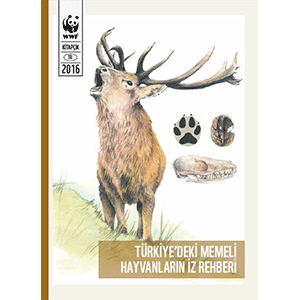
You may not be able to see the mammals naked eye on the body. The traces that they have left together can carefully examine what animals live in the region. For example, signs left in foot scars, stools, places and trees... WWF Turkey], with the “]] the Trace Guide of Mammal Animals in Turkey], all these traces are intended to help us properly comment. [
[
[
The guide prepared as an objective, the blackpaper of the black pepper is placed in the picture of the traces left in the stools and trees, as well as general information about the animals. If we browse the information shared in the guide:
[
- Footprint can give you important information about the age of that type, sex and mood. When looking at the trace layout of mammals, we can get an idea of how it passes in a mood, whether it is calm or excited. It is different from each other when walking, running or jumping. Apart from this, the floor is profitable, mudd or dry, causing differences in the appearance of the footprint.
- Footprint can give you important information about the age of that type, sex and mood. When looking at the trace layout of mammals, we can get an idea of how it passes in a mood, whether it is calm or excited. It is different from each other when walking, running or jumping. Apart from this, the floor is profitable, mudd or dry, causing differences in the appearance of the footprint.
- Alan and urine signs in the field also give many information. For example, we can understand the sex of the animal from a urine left in the snow. It uses urine and stools to mark most mammal animal regions.
- If the mammal animals indicate their assets in that area, they follow them on earth and trees. These tracks tell us that this type does not use and use it to feed this area, or if it is not sheltered in that area.
Source: Announcements