


How did you know Kapariyi?
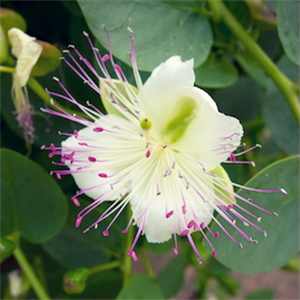
There are some plants in the body, it grows quietly, but life to the environment with its presence. Kapari is one of them. This durable plant, which can be rooted even in the soils that are rocky and water-retardant, not only eat nature; the flavor of our tables adds value to the economy and diversity to ecosystems. In an increasingly increasing era of climate crisis, droughts and erosion, species like capari actually give us an important lesson: Biodiversity is not only a inheritance that we need to protect, but also one of the strongest assurances for our future.
The coughs up to 40 meters]
Kapari is one of the rare plants that challenge the harsh conditions of nature. Especially Capparis spinosa and Capparis ovata types can maintain life even in the areas where temperatures reach 50 °C. The biggest reason for this is the powerful root system, which can help deep. Research reveals that the roots of the caparinin can extend to 10 to 40 meters, and in this way, even in the mostrid soils, they can reach water. Not only roots, leaf and body structure also provide extra durability to the plant. Small, thick and minimizes water loss of candlestick leaves. This adaptation ability to hold even in rocky, salty and inefficient soils makes the capariyi become a ‘transport type’ for ecosystems. So, in areas where no other plant is eaten, the potar root hides the soil and prepares a ground where other living creatures can also bar. This exceptional fit capacity shows that the capari is not only to survive, but also plays an important role in repurposing nature. [
protects the existing soil
Maintaining the efficiency and integrity of the soil, especially the risk of erosion and deserting is vital in high regions. Kapari plays a unique role at this point. The roots in deep do not only allow the plant to reach the water; but also prevents slips and moving, such as a network to the soil. Scientific studies reveal that the kaparinin contributes to soil stabilization especially in slopes and stones. When the root system of the plant is fixed on the surface, the leaf rashes increase the soil quality by providing organic substance. Thus, capari protects both existing soil and helps relive the soil in the long run. Climate change such as drought and severe precipitation works like a natural ‘ball engineer’ with these properties against the origin extremes. Decreased erosion rates in areas where Kaparinin is not only a plant, proves that it is an actor that protects the balance of the ecosystem.
Derin fixed the soil with root structure]
Kapari example shows how critical a single plant can take part in ecology, economy and culture. is a natural barrier against erosion and deserting with resistance to drought conditions. It also contributes to rural economies as a valuable product in international trade. Kapari is worth tables while keeping the soil with its roots, the source of a countryside, offers diversity to the ecosystem. Is this versatility not a strong reminder of biodiversity in all areas of life?
Source: Ecosystems