


How does animals adapt to climate change?
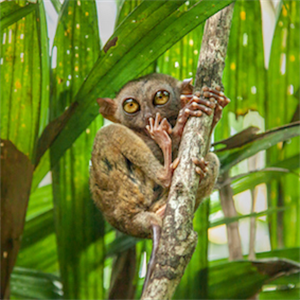
There are different effects on ecosystems of change of hope. According to a principle known as ‘Allen Rule’, the fragile that warm animals living in colder climates tend to have smaller extensions such as beak or leg according to the same types living in warmer climates. According to the research; the shape changes in a lot of short time zone than expected.
The most obvious evidence of my hunger in birds[[T]]][
Due to human activities, climate change creates a lot of pressure on animals. The work done indicates that some types of others will not be able to adapt. According to change in birds in Australia and North America. The beak sizes of some Australian parrots have increased by about 4-10 percent since 1871. Studies show that larger beaks more effectively deployed extreme body temperature of birds. [[
]]The sizes of nozzles are affected
When we have overheated, our body is pleasantly stressed. This is a great challenge for hot-blood animals that need to keep both people and a constant inner body temperature. This, research on mammals also reveals many different types of magnitude. According to the study; longer queued and larger mice are part of a hunger trend. In a gel known as a large round-leaved gel, the wings length showed an increase of 1.64 percent.
Göç maps are also different]
Animals fight in various ways with global warming. Some move to cool areas such as difficulty or higher ground to polarity. Some shift to more cool times by changing the important life events such as breeding and migration.
Source: Ecosystems