


Poles change to survive
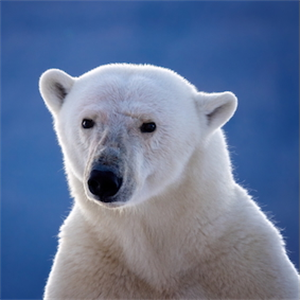
The arctic calules is quickly melted, the habitat of polar bears is located. The distinction from the University of East Anglia revealed that the polar bears in Grönland were activated in the DNA called “sulate gene” and direct associated with the temperature rise of this change. This genetically allows polar bears to develop resistance to food scarcity and melt ice by changing fat metabolism.
But experts warn: Even this promising biological response can not be enough to recover type. In order to survive polar bears, rapid reduction of carbon emissions is required.
Genetic resistance name: Sparkling genes[[[
[The research has been conducted by scientists from the University of East Anglia shows that polar bears have positive environmental pressures. DNA segments, known as “Sucrayan genes” were observed to activate in more hot regions in the south of Grönland. These genetics play a critical role in vital processes such as metabolism and heat management. [[
This change is seen in genetic regions, which is perfectly regulated fat metabolism. This also shows that polar bears are not only with oily fods, giving less energy and reaching with difficult breathing to survive.
]]
]] New habits are observed
] [The changes are observed in the genetic structure of chewing bears, note only metabolism, but also can be effective on nutrition habits. The research goes that the bears living in warmer regions in the south-Grönland adapt to living with a different diet compared to their hunger in the north.
As the bears in this area has less access to oily sea creatures such as fok, they are thought to be spoiled with lower fat ratios that they can find in nearby areas. This shows that pollen bears are less energy busy but they are adaptable to drink and coastal separation. [[
Science treasures people as a “free invention”. So, the types of adapts genetically to limited resources in the hands to maintain its environment — but this is not a sustainable solution in a world where the frosts are completely lost.
What says?
]] Dr. East Anglia University In the study that Alice Godden led these changes in the genetic structure of polar bear invention that the type is a biological response to climate change. Godden emphasizes that these experiments a “genetic pathmap” but not enough alone.
Science expresses how flexible the fight for survival of polar bears can be, but it is a limited flexibility. Although genetic change is a promising sign, it is not a solution to basic problems such as the accessible of living spaces and the reduction of hunting resources.
]] The study reveals that such problems should be carried out more genetic analysis to understand what they are seen in other polar bear populations. This is “only too late” should be taken into large diameter protection measures.
[
Sources:
]] Gilliver, L. (2025). How does polar bears adapt to climate change? www.euronews.com/green
]
East Anglia University & Springer Nature (2025). Genetic responses of polar bears to climate-induced environmental change.
But experts warn: Even this promising biological response can not be enough to recover type. In order to survive polar bears, rapid reduction of carbon emissions is required.
Genetic resistance name: Sparkling genes[[[
[The research has been conducted by scientists from the University of East Anglia shows that polar bears have positive environmental pressures. DNA segments, known as “Sucrayan genes” were observed to activate in more hot regions in the south of Grönland. These genetics play a critical role in vital processes such as metabolism and heat management. [[
This change is seen in genetic regions, which is perfectly regulated fat metabolism. This also shows that polar bears are not only with oily fods, giving less energy and reaching with difficult breathing to survive.
]]
]] New habits are observed
] [The changes are observed in the genetic structure of chewing bears, note only metabolism, but also can be effective on nutrition habits. The research goes that the bears living in warmer regions in the south-Grönland adapt to living with a different diet compared to their hunger in the north.
As the bears in this area has less access to oily sea creatures such as fok, they are thought to be spoiled with lower fat ratios that they can find in nearby areas. This shows that pollen bears are less energy busy but they are adaptable to drink and coastal separation. [[
Science treasures people as a “free invention”. So, the types of adapts genetically to limited resources in the hands to maintain its environment — but this is not a sustainable solution in a world where the frosts are completely lost.
What says?
]] Dr. East Anglia University In the study that Alice Godden led these changes in the genetic structure of polar bear invention that the type is a biological response to climate change. Godden emphasizes that these experiments a “genetic pathmap” but not enough alone.
Science expresses how flexible the fight for survival of polar bears can be, but it is a limited flexibility. Although genetic change is a promising sign, it is not a solution to basic problems such as the accessible of living spaces and the reduction of hunting resources.
]] The study reveals that such problems should be carried out more genetic analysis to understand what they are seen in other polar bear populations. This is “only too late” should be taken into large diameter protection measures.
[
Sources:
]] Gilliver, L. (2025). How does polar bears adapt to climate change? www.euronews.com/green
]
East Anglia University & Springer Nature (2025). Genetic responses of polar bears to climate-induced environmental change.
Source: Ecosystems