



Blog
Blog
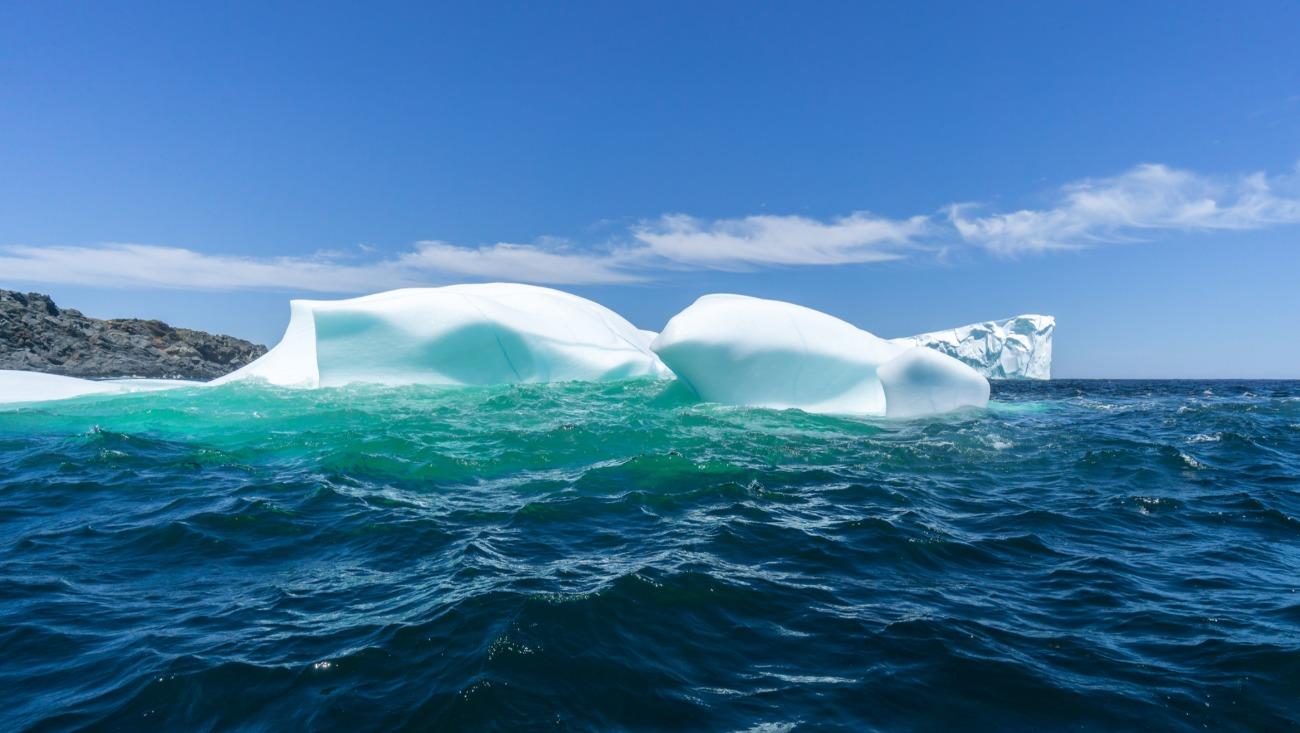
What İs the Cold Spot Phenomenon in the Atlantic and Why Does İt Bite Europe?
How does the phenomenon called cold stain affect ocean discharges and over hot in Europe?
Blog
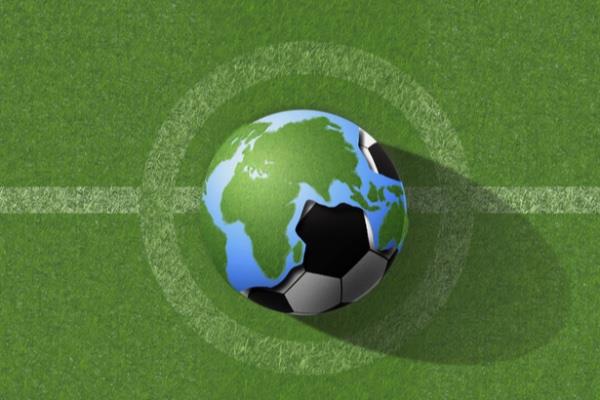
Why Does the World Cup Grow Carbon Footprint?
According to experts, 2026 World Cup is expected to cause about 9 million tons of carbon dioxide equivalent (CO2e) emissions.
Blog
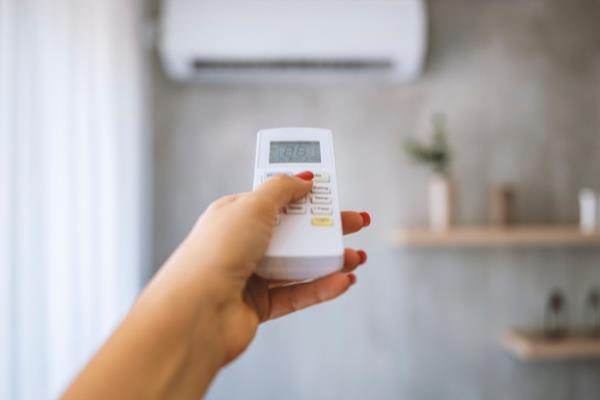
Is the Solution to Climate Crisis, a New Problem?
The world is becoming increasingly hot. Rekor temperatures are no longer exception, in many regions the summer months become new normal. One of the most visible results is the rapid increase in the use of air conditioning. As in Türkiye, air conditioning sales in Mediterranean countries have reached record levels. This is quite natural response for people. Because of the extreme warms not only comfort, but not...

Blog
Nature-based Urbanization Examples Home
For many years, cities and nature were thought to be anti-one. Buildings rise, roads expanded and natural areas are gradually reduced. But in recent years, a different approach began to stand out. Architecture, city planning and infrastructure policies in various countries of the world are designed not only for people; for water, birds, insects and other living creatures. This conversion only...

Blog
Adana’s Endemic Plant Treasure: Natural İnheritance from Toroslar
When it comes to Adana, the most often fertile Pitova Plain comes. The city, one of Türkiye’s most important agricultural centers, is distinguished by many products from cotton to citrus. But there is a less known face of Adana. This geography extends to the valleys of Amanos Mountains from the high slopes of Toroslar, is home to one of the most rich plant diversity in Türkiye...

Blog
UN Report Warns: the Effect of Artificial İntelligence in the Physical World İs Growing
The new report of the UN reveals the effects of artificial intelligence on water, energy, land use and electronic waste. The physical cost of digital transformation is growing.
Blog
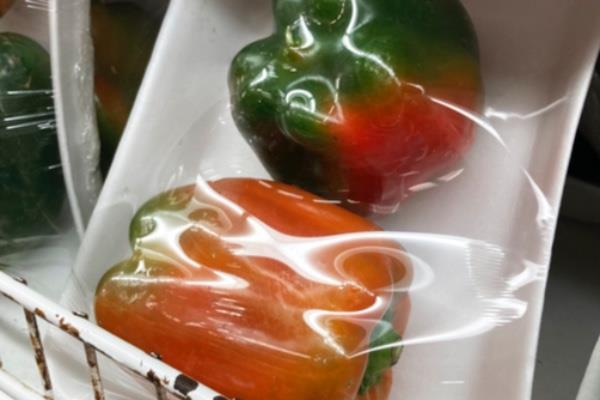
Is Food Waste, Plastic Waste? Hard Balance in Fruit-sebze Packaging
The struggle with plastic pollution has become one of the most visible titles of sustainability agenda. New regulations are prepared to reduce unnecessary packaging in market shelves in many countries. Plastics used especially in fruits and vegetables are often criticizing. But here is a remarkable paradox appear: Plastic packagings create an environmental problem, while the same zama...
Blog
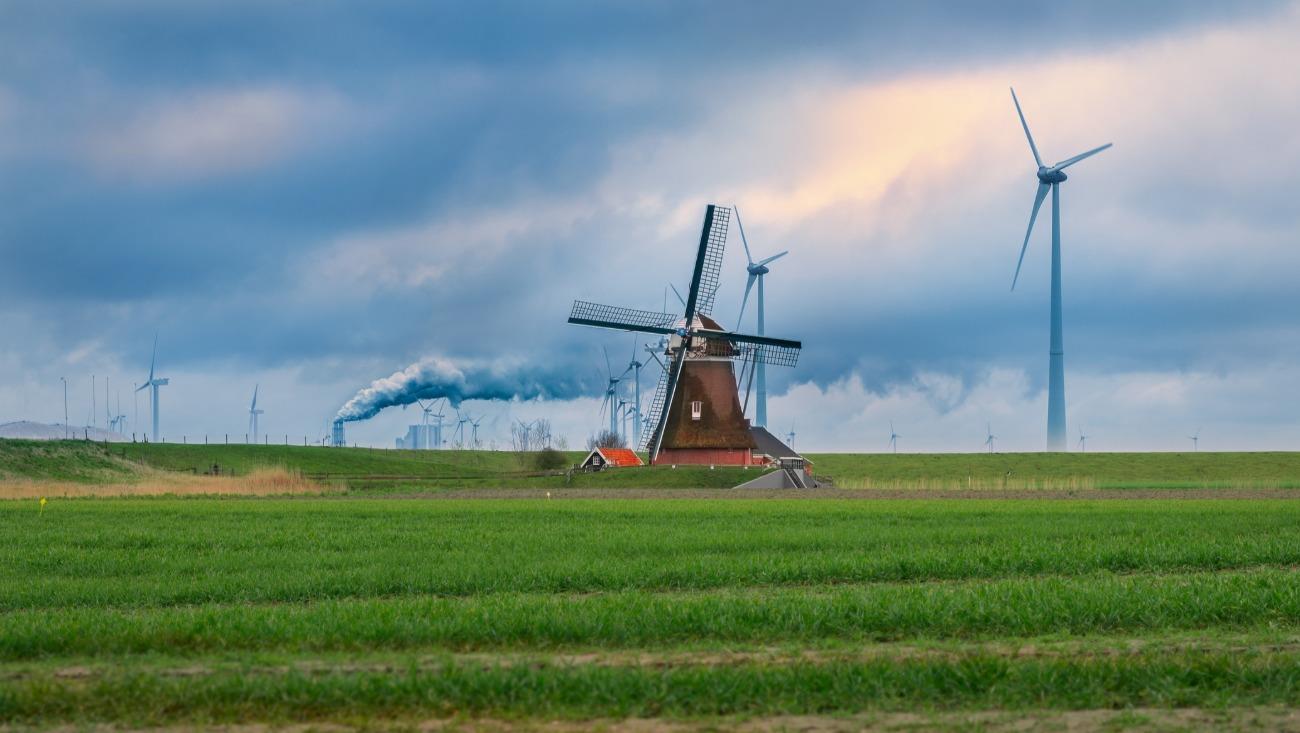
Dutch Climate Policies Shape with Citizens
Half of the climate recommendations prepared by 175 citizens in the Netherlands. How does participants shape democracy, climate policies?
Blog
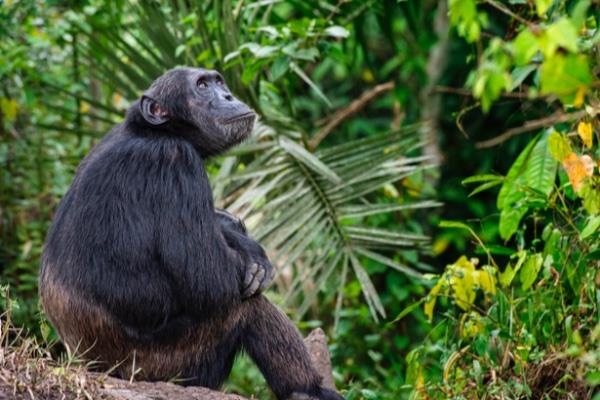
Is İt a New Period in Animal Rights?
animals in most countries are considered in the property of people who are legal. But in recent years some courtesy and lawmakers began to reconcile this approach. In Argentina, a schempanzeye was given the status of “family person”, India courts said that animals have constitutional rights, a new law was designed for balinas in New Zealand. These developments are new in animal...
Blog
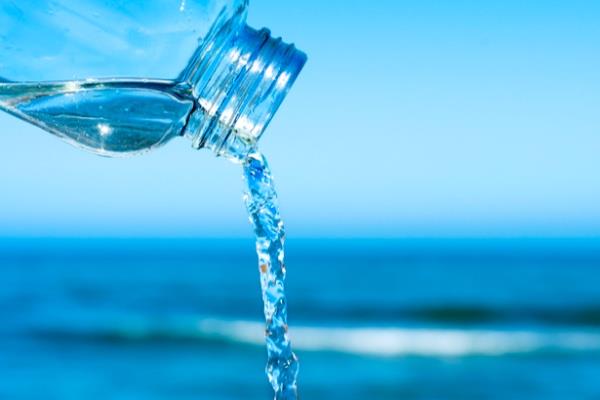
Is the Solution to Produce Drinking Water from Sea Water, Risk?
Belmont Desalination Plant, built in New South Wales province of Australia, is one of the most up-to-date examples of how climate crisis change water policies. The giant concrete structures placed in the depths of the ocean will carry to the purification system, pulling the sea water at about 800 meters open from the coast. With a full capacity in 2028, about 30 million litres per day...
Blog
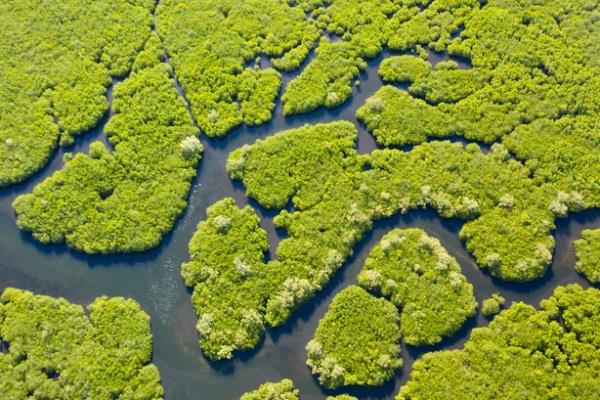
Microplastic to Carbon Storage: Super Trees of Nature
Trees produce oxygen, carbon stores, provide shade. But some species do much more than that. Microplastics clean from water, heavy metals attract from the soil, protect the coast from storms, regreen the broken terrains. These types grow fast, require minimal maintenance and offer solutions to multiple environmental problems. Here is the example that comes out of nature-based solutions...
Blog
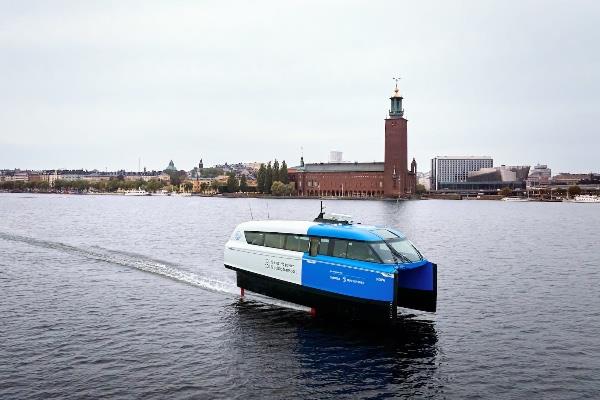
Flying Ferry Above Water: Model from Stockholm to the World
A ferry water surface in Stockholm is filtered above a meter and connected 14 islands of the city. The sound is not removed, the wave does not create, does not produce emissions. It was seen as a "interesting experiment" when it started to serve in October 2024. The Swedish Transport Administration pilot project in February 2026 successfully announced. Data net: Travel time halves, the number of passengers increased by 22,5 percent, carbon emissions of 94 percent...