


5 rules for zero waste
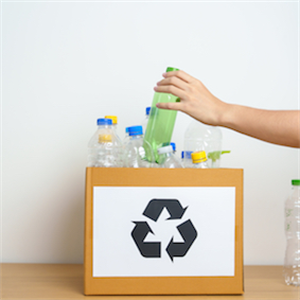
How much garbage we produce as important? From the gates of neighbors in the apartment, we are on the joints of creating a human-source stress in almost any place of the planet, from plastics in the coastlines, Atacama Desert in Chile. The Danger bells for both human and planetary health have been over the ‘Global warming age, the global era has started to work with’ asked would not be extravagant. It is worth mentioning zero waste. Zero waste; one of the words that are often encountered in the fight against climate control. The international zero-wasting definition of the arbitral assessment is as follows: "The protection of all resources of the environmental or human health through the production, consumption, reuse and recovery of products, packaging and materials without discharge to be trained and accelerated to the ground, water or air. "
]]]
How can we be part of zero waste movement?]
“How can we be part of zero waste movement?” is useful to look close to some waste appetite that are expanding on the global scale before the response. [[
E-was growing danger
]]
53.6 million metric tons of e-waste in the global scale in 2019. This weight is about 4 thousand 500 to Eiffel Tower and 350 passenger ship. E-wastes are also defined as the sustainable waste flow in the world. By 2030, the amount of e-waste is predicted to reach 74.7 metric tons. 600 million tons of plastics are produced every year in the world. Every week we swallow about 2 thousand pieces of microplastics, treats you with almost a credit card. According to the data of Ocean Crusaders, every year, 100 thousand sea mammals and about 1 million sea brewed dies because of plastic pollution.
Food and textile waste does not stop
]
According to the data of the Food and Agriculture Organization, 1.3 million foods are thrown into garbage on the global scale, and safely thrown in the food. Every year, 92 million tons of textiles are produced. First place is located in China (20 million tons) and second place with US (17 million tons). Textile currently creates 7 percent of the total amount of waste in global storage. Sometimes these textile wastes are cent to remote areas. Atacama Desert in Chile is waiting to be around 59 thousand tons of clothes per year.
Aut Jar Trip]
]]]
Of course, many defenders that zero waste are almost impossible with the current technologies to produce zero waste. However, it is important to approach almost zero horse. For this, step by step is one of the most effective ways to join zero waste journey. In 2008, Bea Johnson’s ‘trash jar’ (waste jar) started to live by adopting zero waste life with his wife and two children. Bea Johnson’s jar that fit waste for a jar that couldn’t be converted over the year has not received negative criticisms over time Tags. The book published in 2013 was ‘Sufır Waste House’, a nice guide for such a life.
]]
BUTTONS
]
5R of zero waste (Refuse (reject), Reduce (reject), Reuse (use new), Recycle (recycle), Rot (immuneration) and steps known as:
]]]
Rejecting non-necessary: This prevents unwanted items from entering your home and apply to all promotional products offered to you as well as things like junk mail and plastic straws.
Reduce what they use: This means less waste in general.
Reuse everything you can: Can you extend it by repairing or repairing the life of something? Can you take or sell the second hand? Reuse also means replacement of disposable products with reusable products, which can be seen easily instead of skipping.
It is a option to recover resources from waste flow through switches, which you can’t refuse or reduce. Note however that some items will not be as long as and will end in the trash at the end of their lives (usually short). These are items that are trying to avoid zero waste.
Retire the rest: composting foodstuffs, paper pieces and wooden or bamboo toothbrushes, return fertile and fibre back to the floor.
[email protected]
Source: Cumhuriyet Market
Source: Environmental Protection