


Agriculture digitalization in Europe
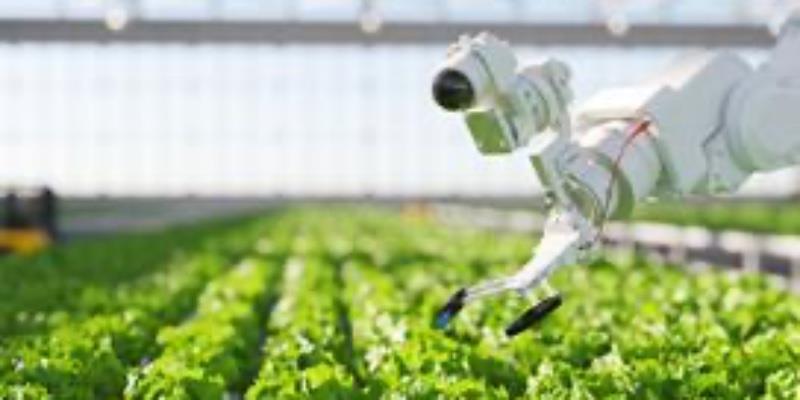
The agricultural sector in the European Union has undergone an important transformation process due to climate change, increased costs and fractures in global supply chains in recent years. The European agriculture against these challenges is increasingly turning to more smart farming and digital technologies. Thanks to sensors, drones, satellite images and artificial intelligence-supported analysis systems, agricultural production is aimed to make more efficient, predictable and environmentally friendly.
Works 17 million people in the construction industry
There are more than 450 million people in the European Union (EU) and 9.1 million farms that meet the food requirement of this population. Approximately 17 million people are working in the agricultural sector. Farmers run a total of 157 million hectares land. This area corresponds to about 38 percent of EU territories. The vast majority of farms in Europe, meaning about 93 percent of the family farm. Therefore, conversion in agricultural production means not only technological but also a social transformation. [
Why do I have to turn?]
Europe agriculture faces multiple prints today. The production of climate-borne risks such as drought, flood and extreme weather events is difficult. At the same time, the rise of fertilizer, energy and fuel costs creates serious economic pressure on farmers. In addition, global geopolitical tensions also affect agricultural products supply chains. These conditions are forced to rethink the sustainability of both food safety and agricultural production in Europe.
How does smart agriculture work?]
Smart farming applications are based on data based production. Data sensors such as soil moisture, nutritional values, air temperature, plant health and precipitation are constantly monitored through the satellite systems with drones.
Thanks to the collected data, farmers can answer more quickly to the following questions:
Home How much water should be given to the field?
Home When to do fertilization?
Home Which is the most accurate time for harvest?
]
Home What area does pests grow?
These systems not only increase yield but also reduce environmental impact by optimizing the use of water and fertilizer. [
Indices and robots fields
]
In many projects carried out in Europe, agricultural lands are mapped in detail with satellite images. By analyzing soil structure, irrigation and fertilization processes can be planned more precisely. Also artificial intelligence-supported robotic systems help reduce the use of unnecessary pesticide by detecting harmful insect populations. Thus, both production costs fall and the protection of biodiversity is supported.
Most of the farmers use technology
According to a study conducted by the European Commission Joint Research Center; 93 percent of farmers in the EU use a digital technology at least. 79 percent of farmers benefit from digital vehicles in product production, 83 percent of livestock activities.
Among the main reasons why farmers turn to these technologies, the increase of efficiency, decrease costs and easier management of production processes. [
[
The most important difficulty in high installation costs
But there are some difficulties in the prevalence of smart agricultural technologies. Especially high installation costs can create an important barrier for small-scale farmers. In addition, digital skills required for the use of new technologies are not available in every farming. Therefore, while the digital transformation of agriculture in Europe continues, the ease of access to technology and the increase of training for farmers is also important.
Important against food safety risk
Intelligent agricultural applications are seen as an important tool for European agriculture against increased climate printing and food safety risks. Thanks to digital technologies, production processes can be more efficient and sustainable. The future of agriculture is worth only producing more Tags; smarter, more efficient and more compatible with nature.
Source: Anadolu Agency – Green Hat
Source: Sustainable Living