


Around half of children in the world face at least three climate threats
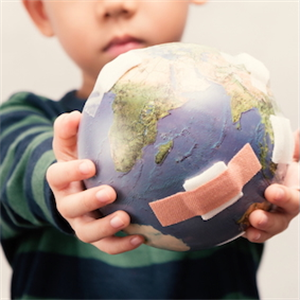
The effects of climate crisis are no longer explained only with scenarios on the future. Children in many regions of the world face at the same time with multiple climate threat, such as drought, extreme hot, floods and storms.
According to UNICEF’s 2026 Climate Risks Report, it faces at least three different climate risks that threaten about 1,1 billion children, health, education and survival in the world. According to the report, almost every child in the world is exposed to a minimum of climate hazard, over 4 million children live in areas where there are six different climate threat at the same time.
The report pays attention that children are not only a single disaster, but they are overlapping with each other and facing the risks that strengthen each other.
[
Raporun prefix[
[• Almost every child in the world is exposed to a minimum of climate hazard.
Home Approximately 1,1 billion children face at least three climate threats at the same time.
] • More than 296 million children; they live in areas where drought, overheating and hot air waves are seen together.
• More than 4 million children are located in areas where six different climate threats are visible at the same time.
• Under the risk of 1 billion children, air pollution affects almost all children.
The most common risk combination of gratitude and overheating
] The most common triple risk for children according to theRapora; consist of drought, overheating and hot air waves. Over 296 million children around the world live in areas where these three threats are seen simultaneously.
This condition does not only mean temperature rise. Long-term droughts can reduce water resources, affect agricultural production and increase food reliability. Excessive warms can create direct pressure on children’s physical and mental health.
According to UNICEF, climate hazards are becoming more fragile, the daily life of children, access to education and health conditions.
]] [Rapor shows that multiple climate threats are concentrated especially in South and Southeast Asia with African Sahara.
More than 4 million children in the Sahara region; warm air waves, extreme warms and triple risk formed by sand-to-dust storms. In countries such as Bangladesh, Myanmar and Pakistan, children live in some of the most intense multi-climatic risks in the world.
All children living in small island states ranging from Haiti to Vanuatu are subject to tropical storms. These storms not only cause physical destruction; water, health and training systems can also be secreted simultaneously.
The risk of failure is also a matter of inequalities
UNICEF emphasizes that the effects of climate crisis are not limited only by air events. The risk facing a child is also shaped with access to clean water, health care, education and social protection mechanisms.
For example, children in two regions living in drought do not encounter the same results. In countries with strong health and educational systems, children can adapt to climate shocks easier. In fragile areas where access to basic services is limited, the same hazards can bring much heavier results.[email protected]
The attack is also a matter of child rights
If the emergency steps for reduction of greenhouse gas emissions are not taken, the climate-borne hazards will become more often and more severe. As a result of this, print on public services will increase and the welfare of children will enter greater risk.
UNICEF invites governments to reduce emissions, improve their children’s central climate compliance policies and make water infrastructure more durable with health, education.
UNICEF’s report reveals once again that the climate crisis is not only an environmental problem. A safe life of children is a healthy environment, access to education and opportunities for the future are shaped with the effects of climate change. Therefore, the climate crisis is also a matter of child rights.
Source: UNICEF, Climate Risks Report of Children 2026.
According to UNICEF’s 2026 Climate Risks Report, it faces at least three different climate risks that threaten about 1,1 billion children, health, education and survival in the world. According to the report, almost every child in the world is exposed to a minimum of climate hazard, over 4 million children live in areas where there are six different climate threat at the same time.
The report pays attention that children are not only a single disaster, but they are overlapping with each other and facing the risks that strengthen each other.
[
Raporun prefix[
[• Almost every child in the world is exposed to a minimum of climate hazard.
Home Approximately 1,1 billion children face at least three climate threats at the same time.
] • More than 296 million children; they live in areas where drought, overheating and hot air waves are seen together.
• More than 4 million children are located in areas where six different climate threats are visible at the same time.
• Under the risk of 1 billion children, air pollution affects almost all children.
The most common risk combination of gratitude and overheating
] The most common triple risk for children according to theRapora; consist of drought, overheating and hot air waves. Over 296 million children around the world live in areas where these three threats are seen simultaneously.
This condition does not only mean temperature rise. Long-term droughts can reduce water resources, affect agricultural production and increase food reliability. Excessive warms can create direct pressure on children’s physical and mental health.
According to UNICEF, climate hazards are becoming more fragile, the daily life of children, access to education and health conditions.
]] [Rapor shows that multiple climate threats are concentrated especially in South and Southeast Asia with African Sahara.
More than 4 million children in the Sahara region; warm air waves, extreme warms and triple risk formed by sand-to-dust storms. In countries such as Bangladesh, Myanmar and Pakistan, children live in some of the most intense multi-climatic risks in the world.
All children living in small island states ranging from Haiti to Vanuatu are subject to tropical storms. These storms not only cause physical destruction; water, health and training systems can also be secreted simultaneously.
The risk of failure is also a matter of inequalities
UNICEF emphasizes that the effects of climate crisis are not limited only by air events. The risk facing a child is also shaped with access to clean water, health care, education and social protection mechanisms.
For example, children in two regions living in drought do not encounter the same results. In countries with strong health and educational systems, children can adapt to climate shocks easier. In fragile areas where access to basic services is limited, the same hazards can bring much heavier results.[email protected]
The attack is also a matter of child rights
If the emergency steps for reduction of greenhouse gas emissions are not taken, the climate-borne hazards will become more often and more severe. As a result of this, print on public services will increase and the welfare of children will enter greater risk.
UNICEF invites governments to reduce emissions, improve their children’s central climate compliance policies and make water infrastructure more durable with health, education.
UNICEF’s report reveals once again that the climate crisis is not only an environmental problem. A safe life of children is a healthy environment, access to education and opportunities for the future are shaped with the effects of climate change. Therefore, the climate crisis is also a matter of child rights.
Source: UNICEF, Climate Risks Report of Children 2026.
Source: Announcements