


Biodiversity: The last call of nature
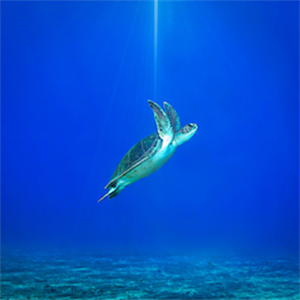
Last 50 years, human consumption, population growth, global trade and urbanization was a period that rapidly grows. However, this growth led to consume more resources than nature can naturally renew. According to the WWF (Natural Life Protection Foundation) report, populations of animals from mammals to fish, birds to reptiles and amphibians experienced an average of 68 percent decline between 1970 and 2016. Among the main causes of this biodiversity loss, there are factors such as transforming habitats, e.g. forests, grassland and mangrov into agricultural systems. Also, because of illegal wildlife trading, animals such as pangolins, sharks and seas have been significantly affected and pangolinler under a critical danger.
Earth use changes and loss of habitat[
The loss of habitat caused by human activities leads to dramatic reduction of biodiversity. The transformation of forests, grassland and mangroves into agricultural areas leads to losing the natural habitat of many animal species and entering the danger of nesli. [
Independent wildlife trading[
Lives such as pangolinler, sharks and seas are victims of illegal wildlife trading. This trade causes the number of types to quickly decrease and enter some of them under critical danger. Pangolinler is particularly the wild goal of this trade and under the danger of depletion.
Golden big robber
Recent analyses show that the biodiversity on the world rises rapidly in the sixth largest robber. More than 500 species of black animals face the danger of being destroyed in the next 20 years. This is equivalent to the number of species lost during the last century and scientists say that people are not harm to nature, this loss is for thousands of years.
Antarktika's danger
According to 2023 research, the melting of sea ice caused by climate change creates a heavy effect on the penguins of the emperor. This situation can destroy all populations up to 2100. This interaction in Antarctica is only an example of direct effects of climate change on biodiversity.
[
Biodiversity not only protects the variety in nature, but also affects the balance of ecosystems and the future of humanity. The prevention of biodiversity loss should contain various measures such as maintaining sustainable agriculture and natural habitats. Every individual and society has a critical importance in the fight against the biodiversity crisis.
Source: Earth.org
Source: Ecosystems