


Coffee wastes turn into energy
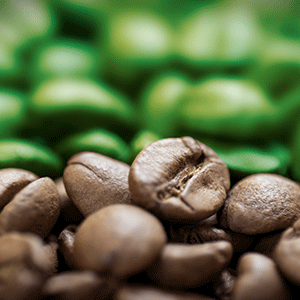
A cup of coffee remembers 40 years, and you need 140 liters of water to produce this coffee! We pay much attention to the figures in the food production process every day, because resources play danger bells as little as they are.
]Brown manufacturer [ UTZ[ The project that converts waste water generated during the production into energy can be evaluated in this scope, which suggests both environmental cleaning and water and energy saving. [
Latin America produces 70% of the coffee in the world and has 31% of clean water sources in the world. The water used in coffee agriculture and usually left into the nature without being purified leads to environmental pollution and negatively affects the public health. Yet the organic wastes contained in this water also cause increase in greenhouse gas emissions on the other hand while polluting the soil on one hand. Not only nature is protected with the project of the company, which started to purify the water used in the production of coffee, but also the amount of water used in the coffee production process is reduced by 50%. UTZ, producing biogas from waste water, starts using clean energy in mills and kitchens of houses in local farms. Thus, life in the farms is also easy.
The system launched in 2010 is now installed in Nikaragua, Honduras and ondokuz coffee farm in Guatemala. Up to now, 5000 people’s lives in these areas are indicated that the project, which positively affects the economic and environmentally positively, is also examples of similar facilities in Africa and Asia.