


Date turning point in global electrical system
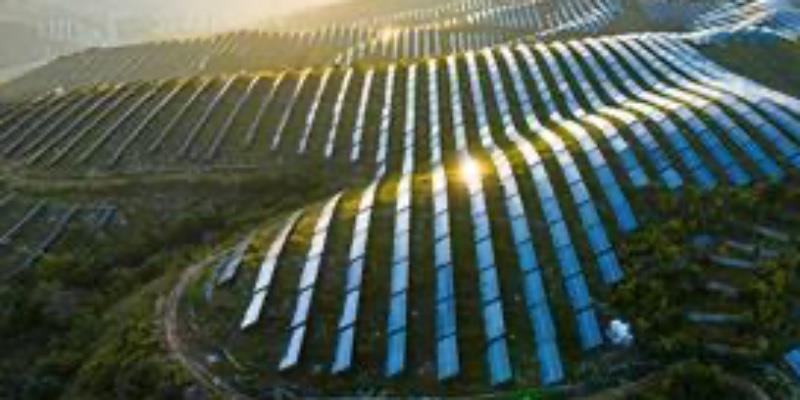
The foundation of the electrical system of the world since the industrial revolution. Factories, cities and economic growth were largely supported by fossil fuels. However, new data shows that a historical change in global energy system is experienced.
According to the 2026 Global Electrical Review released by Ember, the renewable energy sources left behind the share of coal by meeting 40.9% of world electricity production in 2025. This means that after a period of more than a hundred years, the first time, renewable resources have passed coal in the global electrical system.
According to the report, 2025 is a milestone in terms of energy conversion. The record growth in solar energy met about 75 percent of the new electrical demand that arises worldwide. Due to this, electricity production from fossil fuels is greatly horizontally observed on the global scale.
The researchers note that this is an important threshold. Because in this century, the number of years in which fossil fuels increase electricity production is quite limited. The findings indicate that renewable energy is not only able to meet the increasing demand, but the fossil fuels reach a measure that can reduce the weight in the system. [[T]]]
[
[Solar energy broke record
There are solar energy in the center of this transformation.
According to Ember’s data, solar energy was the fastest growing electrical source in the world for twenty-second times a row. Global solar energy production increased approximately 29 percent in 2025 and has reached the largest annual increase ever.
The new solar power capacity of gigawatts every 15 hours in the world is activated.
The important part of growth came from China, there was a strong expansion in some regions of India, Europe, Middle East, Latin America and Africa.
Experts indicate that there is a large decline in the costs of solar technologies in the last decade behind this growth. Solar panels become more efficient and more accessible, while new electrical production in many countries has become one of the lowest cost options. [
Electric demand is increasing, the system turns]
Electricity demand across the world continues to grow rapidly.
The electrification of transportation, the increase in the use of air conditioning, the transformation of the industry, artificial intelligence applications and the growth of data centers attract global electricity consumption.
Historically increased electrical demand meant more coal and natural gas use. However, Ember’s data shows that renewable energy growth starts to change this relationship.
]
Especially solar energy becomes the basic element that limits the growth of fossil fuels by meeting the important part of the new electrical demand.
This situation is critical in terms of climate. Because electricity production continues to be one of the most important sources of global greenhouse gas emissions. [
The location of coal and natural gas is seen among the most effective steps for the reduction of global emissions.
Why is energy conversion important?]
Renewable energy sources can perform electricity production directly without creating carbon emissions.
Coal does not only cause a high amount of carbon dioxide release; but also affects human health through air pollution.
Therefore, the rise of solar and wind energy is not only a change in energy markets. It also gives significant results in terms of climate policies, energy safety and public health.
Many countries now evaluate renewable energy investments not only for climate targets, but also as a strategic tool to increase energy independence and make long-term electricity costs more predictable.=
The conversion is not completed
Although global energy system is still largely based on fossil fuels.
Coal and natural gas continues to have significant share in electrical production worldwide. Especially in heavy industry and some energy systems, fossil fuels are still playing critical role.
It also requires the integration of solar and wind energy into the system, new transmission lines, energy storage solutions and more flexible electrical networks.
The effects of climate change also create new prints on energy systems. For example, hot air waves increase electric demand by increasing air conditioning usage.
But even though all these challenges, the overall trend is becoming increasingly clear.
Solar energy, which has a very small share in the production of global electricity, has become one of the main actors of the energy system today.
The 2026 report of Ember shows that the world electrical system enters a new era. In the global energy scheme, which has been shaped by coal for more than hundred years, renewable resources take over the leadership for the first time.
The policy preferences to be held in the coming years will determine the network investments, energy storage technologies and international business associations.
However, a fact is now seen: The future of the world electricity is increasingly expected from the sun and other renewable sources.
[Source: Ember, Global Electricity Review 2026.
Source: Energy