


Emperor penguen and fury foclar in danger
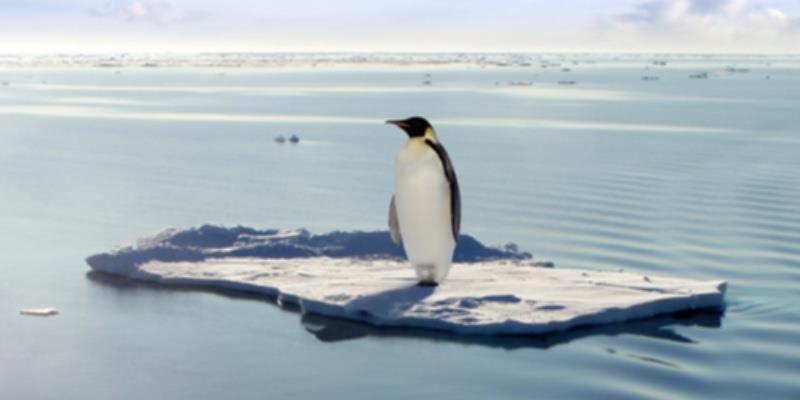
The effects of change in hope are more visible on the species living in Antarctica. Recent reviews indicate that the emperor is taken into higher threatening categories of penguen and Antarctic fur.
According to the data of the International Nature Protection Association, two types of sea ice are reduced and living space and nutrient loss due to the increase of ocean temperatures.
[The population of Penguen falls rapidly
Emperor penguen was upgraded to the category "like" in the last evaluation. Satellite data shows about 10 percent of the population between 2009 and 2018. This drop corresponds to more than 20 thousand adults.
]
Scientific projections reveal that if the current emission levels continue, the penguin population can be halved up to 2080. The main reason for this drop is the early breakdown of the sea ice. Penguins need fixed sea ice in reproductive and puppies growing processes. The early breakage of the ice layer creates a risk of death for undeveloped puppy.
]
The nutrient attack in fluoride foc[
Antarctic fur fods are also affected by climate change. The adult population, about 2,1 million in 1999, back to 944 thousand as of 2025. This means a decline over 50 percent. [
Increased ocean temperatures leads to more deep and cold waters of crils, which are the main source of nutrients of fods. This situation makes it difficult to access the baby. Nutritional scarcity is particularly lowering the survival rate of puppies and leads to aging of population. Change in the food chain also affects other types. Competition and predatory printing with increased balina populations are among other factors that make the recovery of focs difficult.
The risk of disease is increasing
A new threat in the region is more prominent: diseases. The bird gray cases have increased in recent years, and the sea mammals were also fused. In some colonies, 90 percent of puppy deaths were reported. Science states that people can become more common with climate change.
Antarctica sea buzu limits warming by reflecting sunlight and balances ocean discharges. Exchanges in this system are not limited only to the polar region: global climate balance and sea level are directly affected.
]
Source: IUCN Red List 2025, Euronews Green 2026[[
Source: Ecosystems