


History of the International Court of Justice
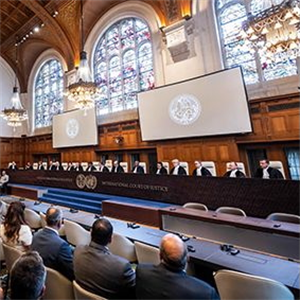
The devastating effects of the climate crisis increase every day, a history of consultation from the International Court of Justice (CIJ) cleared the legal responsibility of the states against this crisis. This vision described in July 12, 2025 is a milestone in terms of environmental justice. The initiative launched by the Alliance of Pacific Islands in the leadership of Vanuatu and moved to the General Assembly of the United Nations resulted in the demand of a non-binding consultation on the international obligations of states associated with climate change from CIJ. The opinion described in Lahey is not only moral but legal responsibility to the states by taking into account the impact of climate crisis on human rights.
How does the legal ground occur for contraindication?][
The campaign carried out in the leadership of Vanuatu was aimed to carry the fairness size of the climate crisis into the international law ground. The UN General Assembly officially requested the obligations of states in the context of climate change from the International Court of Justice in March 2023. The demanded opinion was questioned that states have international legal obligations in their way to prevent climate change, reduce their effects and compensate for existing damages. In this process, more than 90 states and institutions reported written opinions, they made a oral presentation to 50 people. Turkey was among the countries who reported written opinions in 2024. Divan announced his decision by taking into account these opinions and scientific data on July 12, 2025. [
[
What says the history?]
]The International Court of Justice attracted attention not only in their country against the climate crisis of states, but at the global level. This consultation is a guide attribute that redefined the basic principles of climate justice at the international law level. Here are the highlights of the decision:
Home Cross-border liability: States are not only against their own citizens, but also responsible for people and nature in other countries.
Home Scientific data-based measures: It is necessary to withstand scientific fundamental measures to be taken against the climate crisis. [
Home Historical responsibility: The decision emphasizes that industrialized countries should take care of historical emissions, further liability should be undertaken.
Home The right of future generations: Not only the harm of today, but the rights of future generations are also protected.
Home The obligation to prevent damage: States have to take preventive measures against direct and indirect effects of climate crisis.
Home Human rights connection: Climate crisis is defined as a element that threatens fundamental human rights, including the right of life.
Why is it so important?]
International Court of Justice may be a milestone in global climate policies, although not the consultation of the Court of Justice. This vision is particularly the most affected by the climate crisis but offers a strong legal and moral basis for countries with minimal responsibility. [
The mihenk stone for the fairness of hope:] It gives a legal ground to the demands of the ‘pears’, which has been expressed for a long time.
redirects to national policies:[ The opinion of the Divan can be referenced in cases related to climate in their internal law of the countries.
The climate policy with human rights has been connected to this time for the first time: this opinion was the legal definition that many rights were affected by the climate crisis, especially in the right of life.
Guidelines for future cases: Companies and states may be held responsible for international platforms in line with this decision when they damage the environment.
[
This historical consultation of the International Court of Justice is not only a ethical matter of responsibility for the environment of the states. This decision reminds you of a responsibility for the states, especially when it comes to a hope light for the most affected communities from the climate crisis, not only a preference, but no longer a obligation.
How does the legal ground occur for contraindication?][
The campaign carried out in the leadership of Vanuatu was aimed to carry the fairness size of the climate crisis into the international law ground. The UN General Assembly officially requested the obligations of states in the context of climate change from the International Court of Justice in March 2023. The demanded opinion was questioned that states have international legal obligations in their way to prevent climate change, reduce their effects and compensate for existing damages. In this process, more than 90 states and institutions reported written opinions, they made a oral presentation to 50 people. Turkey was among the countries who reported written opinions in 2024. Divan announced his decision by taking into account these opinions and scientific data on July 12, 2025. [
[
What says the history?]
]The International Court of Justice attracted attention not only in their country against the climate crisis of states, but at the global level. This consultation is a guide attribute that redefined the basic principles of climate justice at the international law level. Here are the highlights of the decision:
Home Cross-border liability: States are not only against their own citizens, but also responsible for people and nature in other countries.
Home Scientific data-based measures: It is necessary to withstand scientific fundamental measures to be taken against the climate crisis. [
Home Historical responsibility: The decision emphasizes that industrialized countries should take care of historical emissions, further liability should be undertaken.
Home The right of future generations: Not only the harm of today, but the rights of future generations are also protected.
Home The obligation to prevent damage: States have to take preventive measures against direct and indirect effects of climate crisis.
Home Human rights connection: Climate crisis is defined as a element that threatens fundamental human rights, including the right of life.
Why is it so important?]
International Court of Justice may be a milestone in global climate policies, although not the consultation of the Court of Justice. This vision is particularly the most affected by the climate crisis but offers a strong legal and moral basis for countries with minimal responsibility. [
The mihenk stone for the fairness of hope:] It gives a legal ground to the demands of the ‘pears’, which has been expressed for a long time.
redirects to national policies:[ The opinion of the Divan can be referenced in cases related to climate in their internal law of the countries.
The climate policy with human rights has been connected to this time for the first time: this opinion was the legal definition that many rights were affected by the climate crisis, especially in the right of life.
Guidelines for future cases: Companies and states may be held responsible for international platforms in line with this decision when they damage the environment.
[
This historical consultation of the International Court of Justice is not only a ethical matter of responsibility for the environment of the states. This decision reminds you of a responsibility for the states, especially when it comes to a hope light for the most affected communities from the climate crisis, not only a preference, but no longer a obligation.
Source: News