


How to change the world if the 2°C threshold is exceeded?
The change of hope is one of the largest global crises in which humanity is facing today. Since the industrial revolution, the use of fossil fuels has increased rapidly in the atmosphere due to forestlessness and industrial activities. This situation led to the rise of global temperatures, resulting in irreversible changes in climate systems. So why it’s especially important to increase a temperature of 2 °C? In this article, we will discuss why the goal of 2 °C is so much discussed and why this temperature threshold is so critical.
from1.5 °C to 2 °C: The evolution of the targets]
]
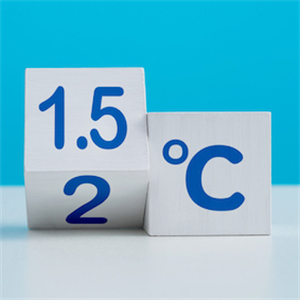
World leaders committed to holding global temperature rise with the Paris Agreement in 2015, and limiting with 1.5 °C if possible. 1.5 °C goal was determined to alleviate the worst effects of climate change. Especially small island states and emerging countries have been found in warnings that a warming over 1.5 °C can threaten their own assets. Scientific research shows that even 1.5 °C will give serious results for our world. For example, if the coral reefs in 1.5 °C are predicted that 70-90 percent of the coral reefs will disappear, this rate goes to 99 percent when reached to 2 °C. However, fast and comprehensive emissions reductions needed to keep 1.5 °C target create great challenges with existing policies. [
]Why do I have a critical partner?]
The world is already heated about 1.2 °C according to the pre-industrial period. This means that the carbon budget required to reach the target of 1.5 °C is rapidly exhausted. Although the goal of 1.5 °C is seen as an ideal scenario, the difficulty of achieving this goal and political obstacles, scientists and policy makers directed to think of 2 °C as a more realistic goal. A temperature rise of 2 °C will create large changes in ecosystems, human health, agriculture and water sources. But this threshold contains more manageable risks than higher temperature increases. So 2 °C is still considered a ‘safety limit’ to prevent the worst effects of climate change.
What is beyond the 2 °C threshold?][
A warming of 2 °C, although there will create large changes in the world, the dangers to be encountered in the case of vaccination of this threshold are much greater. Each degree increase over 2 °C, becoming more often and severe than excirem weather events, the rapid rise of sea levels, the food safety is seriously compromised and creating large destructions on global economy. For example, an increase of 2 °C will lead to severe droughts in areas such as Mediterranean and South Africa and face millions of people with water scarcity. In addition, the rise of sea levels will threaten especially small island states and coastal regions, leading to a new refugee crisis by displaceing millions of people.
Why is it important?]
Climate change requires a large conversion to fight. It is necessary to make rooted changes in all areas from energy production to agriculture, industrial activities to city planning. These conversions required to hold the target of 1.5 °C are seen as a more accessible and acceptable option, as they can create economic and political challenges in the short run. However, the goal of 2 °C will result in irreversible changes in our world even if it is thought to be the ‘direct damage’ scenario. Therefore, global collaboration, scientific innovation and political will need to minimize the effects that each degree increase will create. 2 °C, a milestone in climate change discussions. This is considered a critical limit both scientific and politically critical. The world can still struggle to not exceed 2 °C if it does not have quick and rooted changes to achieve 1.5 °C goal. It should not be noted that the decisions we will take today will determine what we will live in the world tomorrow.
Source: Climate Change