

How to clean Swiss rivers?
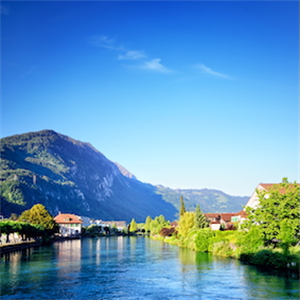
At times Switzerland, which has the most polluted rivers of Europe, today, is shown in the example of our tertemized water paths, which is referred to as ‘blue gold’. When it is dangerous to swim in these rivers, filled with raw sewage and industrial waste in the 1960s, people are able to enter the water even in the city centers. This conversion was possible not only with strong environmental laws, but with tens of years of investments and value that the society has given to the environment. Swiss’s river cleaning story is not only an environmental success but also the indicator of an investment in public health, quality of life and climate-friendly infrastructure with political stability.
]The beginning of the transformation of the epidemic in1963]
The river cleaning mobilization in Switzerland started with the tifo secret in the city of Zermatt in 1963. This epidemic caused by dirty drinking water caused three people to death and sickness of more than 400 people. This trajedi sought the door of a radical transformation in environmental policies across the country. Due to the waste water laws accepted in 1971, modern sewage systems have been mandatory and permanent financing is provided for the construction of these systems. In 1965, only 14 percent of the population are connected to the purification plants, this rate has reached 98% per cent. So Switzerland did not forget about the lesson out of the environmental disaster and made stable investments for years for the solution. [
]
The rivers of Switzerland are not only free of mud and trash; but the effect was also struggled with micropolluters, which are not visible but great. These harmful substances that are mixed into waste water such as antidepressants, antibiotics, cosmetic products and industrial chemicals can not be destroyed by traditional treatment methods. Switzerland was the first country that made these chemicals required to undergo treatment systems in 2016. Today 37 treatment plants are actively filtering these substances. Up to 2040, it is aimed to use these technologies in 140 facilities. Advanced filtration systems are working with special materials such as activated carbon and can clean 80% of micropolluters. However, some substances such as PFAS, known as ‘nounted chemicals are still resistant.
Reverse: Clean water, high quality of life
Switzerland has spent about 220 dollars per person per year, giving one of the highest water treatment budgets in Europe Tags. The result of these investments is concrete: according to 2023 data, only five of the 196 swimming areas across the country were evaluated with insufficient water quality. Rivers and lakes are no longer just clean but also the meeting point of the society. People in the centers of large cities such as Zurich, Geneva are walking and swimming between lunch, old people are exercising on the coast, children play on the waterside. Clean water is not only an environmental success in Switzerland; it has become an integral part of the quality of public health, social life and life.
The sources were a way of life protection]
Swiss’s success is not only based on technological infrastructure or legal regulations. The cultural value of the country to protect the environment is located in the heart of this process. The community adopts the idea of protecting water resources as a lifestyle not only a must. This cultural approach manifests itself in all areas of life, from children to playing safely on the water edge, swimming in the river every morning.
Source: Environmental Protection