


How to protect from plastic?
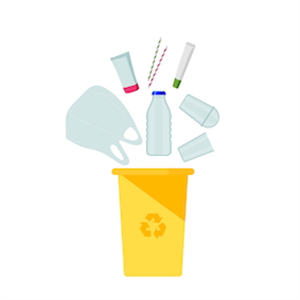
Maybe it can be difficult to live a completely remote life from plastic in everyday life but it is possible to reduce its effects. Kitchen, bathroom, wardrobe or grocery store... Every little step you’ve got can make a big difference for both your own health and the planet.
Applicable ways to reduce plastic exposure in work...]
[
prefer glass or stainless steel containers!]
Plastic containers that we use while preparing and storing food, can emit microscopic particles especially when exposed to heat. These parts can be taken into the body, mixed with food and drinks. Therefore, glass or stainless steel containers should be preferred. Heat resistant glass products should be used instead of using plastic container in the microwave. In water consumption, filtered systems should be preferred; carbon block filters or reverse omosis systems can be greatly filtered. It is also an effective method to filter after boiling.
Gardurobnatural
Synthetic fabrics ( such as polyester, nylon) as the microfiber is that they eat microplastics. These fibers are not only in the water, but also mixed into the air and home dust. Cotton reduces this risk to prefer clothes made from natural fibers such as wool, flax, bamboo. If synthetic clothes are inevitable, it is useful to use special bag or filtered machines that catch microfiber, wash with more rare and cold water. Drying clothes in natural environment reduces the microplasm of drying machines.
I know what it takes about!]
Microplastics are directly included in the content in many cosmetics and personal care products. Contents such as “polyethylene” or “polypropylene” especially in products such as peeling, polisher products, toothpastes represent these microplastics. Reading content lists are much safer for your nature and health to choose products that contain natural alternatives such as sugar, salt or coffee.
]
The most secure cast tea
It can be microplastic pass, especially in hot or acid products in food contact with plastic packaging. Choose options such as glass bottle, metal cap, paper packaging. Take unpackaged, fresh products on the market, prefer reusable cloth bags. Also pay attention to tea bags: Some bags dissolve in hot water, microplastics. The safest is cast tea.
Small steps, big change
It can be difficult to completely avoid microplastics but reduce exposure in your hands. Individual preferences affect production and marketing policies over time. As soon as plastic is requested, then a quick system change is possible. Each individual can be part of this conversion. Microplastics are not visible but their effects are very real. Small changes to you at home also contribute to the future of the planet while maintaining your health in the long run. Living with conscious preferences, not only for yourself, is a responsibility for all.
Source: Sustainable Living