


Nature-based urbanization examples Home
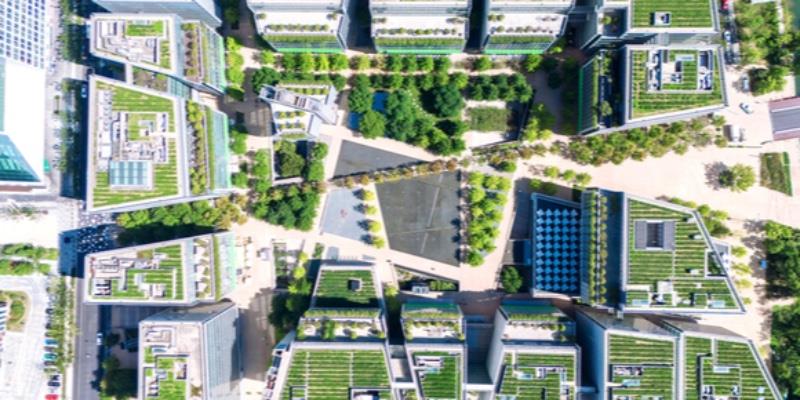
For many years, cities and nature were thought to be anti-other. Buildings rise, road expanded and natural areas are mixed.
But in recent years, a different approach starts to stand out. Architecture, city planning and infrastructure policies in various countries of the world are designed not only for people; for water, birds and other living creatures.
This conversion is just about friendly projects. New standards, structure regulations and legal regulations in many countries have started to make nature an integral part of cities.
[[T]]]]
[[[T]]Iskoçya: buildings designed for birds
]
Apps for the creation of birds in new structures in recent years are becoming stronger in Scotland. Swift birds, particularly recognized by fast flights, lost the important part of traditional nesting areas due to the obstacles and energy efficiency applications of modern buildings.
]]
For this reason, special bricks that are integrated into the building light and provide safe nesting space to birds were started to be used.
]
The main idea of the approach is quite simple: not only for people when building a building, but also create living space for other members of the urban ecosystem.
Switzerland: Roofs are now stored in water]
]
The green roofs and rainwater management in Basel, Switzerland is among the important parts of city planning for a long time.
The rainwater collected from roofs in many new buildings are reevaluated for garden irrigation and various technical uses.
Green roofs also reduce the temperature, reduce the surface flow of rainwater and create a living space for other polynators with bees.
A roof can see a water tank, a refreshing surface and a small ecosystem function at the same time.
Finlandiya: Create a small habitat from the roof]
]]]
Researchers in Finland are working on applications that carry out the concept of green roof. [
Roofs in some projects are designed not only mixed areas; stones are designed as small habitats created with different of plants and natural ingredients.
The aim is to restore a part of life areas lost in cities.
Research shows that a large number of tricks and different types of living in such roofs can live.
Architects turn into a design force that supports biodiversity so they are not only a tool that provides energy efficiency.
Germany: Green building new standard[]
]]]
Green roof systems, energy efficiency and rainwater management in Germany are among the important components of city planning for a long time. [email protected]
New projects in many cities are arranged according to green infrastructure. [
International certification systems are not only the energy of buildings; water usage, material selection and ecological effects. [
Thus, there is one of the basic components of design processes by being an optional feature. [
Italian: make rainwater part of architecture]
Some new projects in Italy include the center of the rainwater structure.
The rainwater collected in the roof is stored and reevaluated in various areas from garden irrigation to technical use.
In some school projects, roof gardens are used as a training area. Children are growing here, observing the water cycle and can direct experience the relationship between the city and nature.
Buildings are not only energy-based structures, but also turn into learning and ecological awareness areas.
Belgium: make water management part of the structure license
]]]
Rainwater management in some parts of Belgium has become one of the importantblanc of new building projects. [
The goal is to save only water Tags. At the same time reduce the risk of stone during intensive phase and pressure of cities on water sources. [
The water is now seen as a valuable element that can be used in the city, not only as a source of flow. [
Denmark: Think of cities as ecosystem
]
New urbanization strain, buildings and open areas in Copenhagen. [
Green roofs, permeable drain, rainwater management and nearby areas are seen among the important tools of climate harmony.
On the basis of this approach lies a simple idea: cities are not only the areas where people live, but also live ecosystems. [
[
Why important?]]
These applications are not only implemented for aesthetic reasons.
Green roofs can reduce the impact of the city heat island. Rainwater systems can relieve water pressure during drought period. Biodiversity friendly designs can create living space for bees and other polynators.
More importantly, these projects can improve the climate change of cities.
Once the sharp separation, which is possible between concrete and nature, leaves its place to a more accessible approach. [
]
These examples include:
A building should be only a structure that people live, or a living area that lives with nature?
More countries prefer the second option.
Source: Sustainable Living