


Only 3 percent of ecosystems remained intact
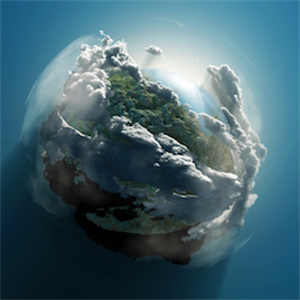
A new research on the earth revealed that only 3 percent of the lands on the earth remain ecologically intact. The wild nature areas that do not harm human activities are mostly located in some parts of Amazon and Congo tropical forests, eastern Siberia and northern Canada forests and tundra. Foreign species such as cats, foxes, rabbits, goats and develers, have a great effect on domestic species in Australia. A new research found that there was no harm in Australia. The researchers recommend that species such as elephant or tamper are regenerated to damaged areas. In this way, up to 20 percent of the world lands can be made unstable. Previous analyses have largely defined wild living spaces based on satellite images and predicted that the world surface is very little affected by 20-40 percent people. However, the scientists behind the new study argue that forests, prosecutors and tundra can look firm above but there is a lack of vital species on the ground. For example, elephants spread seeds in forests and control droughts geyik population while creating important openings.
The sixth mass of life in the world started
]
The research combines maps of human damage given to living spaces with maps that indicate the numbers are very little to be lost or maintaining a healthy ecosystem.. Some scientists say that the new analysis has lightened areas because centuries the previous animal ranges have not been known enough and new maps are not added to the effects of climate crisis, which change the variety of types. Many wildlife populations from Lions to insects are widely accepted, mainly because of the destruction of habitats due to farming and construction, and in a biodiversity crisis in the world. Some scientists think that life in the world begins with gold mass absence and leads to serious consequences in terms of food, clean water and weather that is connected to mankind. [
Most of the unaccepted areas
The head of the study, Cambridge, the Key Biodiversity Areas in the UK Secretary of Dr. Dr. Dr. Dr. Dr. Dr. Dr. Dr. Dr. Dr. Dr. Dr. Dr. Dr. Dr. Dr. Dr. Dr. Dr. Dr. Dr. Dr. Dr. Dr. Dr. Dr. Dr. Dr. Dr. Dr. Dr. Dr. Cambridge, UK.. Andrew Plumptre, “Most of the things we accept as uncontainted habitat, is lost by people because of [and leaked] lost species, fox species or diseases. That said, because it really works and shows how unique the places like Serengeti, which has completely distorted ecosystems. Different maps were used in research published in Frontiers in Forests and Global Change. The data was for most mammals but some birds, fish, plants, reptiles and amphibians were included. Most of the undetected areas are managed by domestic communities. Analysis does not contain Antarctica. Plumptre said “In the areas where human impact is still low, it can be possible to increase the ecological unspoiled area up to 20 percent with the targeted re-inventions of lost species, and to address threats for survival.” As an example, the wolfs have successfully reconcile the Yellowstone national park in the US.
The commitment to protection for one of the three][
Prof James Watson from the University of Queensland Australia, said “This study, the ecologically distorted places on the planet of ecosystem scientists, and many of its efforts to map and protect. Mainly using maps for the best types of predictions. This also means that ecosystems are clearly minimized by the message that they are still almost robust. Home. Andrew Plumptre acknowledged that the range maps of species are relatively rough, and said that 3 percent figures are ‘kabataslak’. “There’s no problem at this time, we don’t have any other map” Plumptre said that scientists should then focus on certain zones and use more detailed human impact data and type data to determine the ecologically distorted areas. In January, more than 50 countries have been committed to protecting almost three of the planet from 2030 to stop the destruction of the world. Plumptre is very important to make efforts to protect these unspoiled places. Very rare and specials. People spoke in the form of how many things we lose before showing how much space the world is, without a big effect.
Source: Ecosystems