


Plastic inheritance behind the pandem
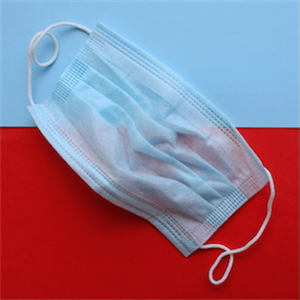
disposable masks with a safety shield for millions of people throughout the course of the transcript, leaving a different table behind today. These masks are not only growing the plastic waste problem while being one in the streets, rivers and oceans, but also become an invisible threat by turning into microplastics and hormone-complex chemicals. This simple object used to protect health, now both the environment and human life faces a long-term risk.
The invisible danger from the masses]
From Coventry University Anna Bogush and Ivan Kourtchev, the research tested how different masks are treated with pure water for 24 hours. Results stunning: All types of masks released microplastic fiber. FFP2 and FFP3 masks, particularly considered the most secure against the virus, produced four to six times more particles than others. The researchers stressed that most of the particles are as small as not visible to the eye, and therefore it can easily be left by living organisms or digested by the waterway. This confirms that masks observed on the beaches and streets turn into thousands of microchips, which are almost impossible to remove over time. Another critical finding of the study was the endocrine disruptive chemical called bisphenol B (BPB). BPB, which is mixed with water without leaking from mask material, has the potential to disrupt hormonal processes in humans and wildlife. The researchers calculated that BPB can be released from masks that are used at the peak of the pandem, between 128- 214 weight. [
Life cycle and lack of recycling
One of the most important factors that increase the environmental impact of disposable masks is the absence of recycling and waste management systems. In the most intensive period of the pandem, health priorities did not be thought about how to dispose of these products. After all, millions of tones were sent to masks or trash, or uncontrolledly distributed to seas, rivers and streets. The large part of the masks is produced from petroleum derivatives such as polypropylene, it can find the centuries of dissolved in nature. During this long process, microplastics and bisphenol chemicals continue to release. Just like the snowball effect created by plastic bags many years ago, masks also have the risk of turning into a similar ‘birth crisis’. The United Nations (BM) emphasizes that sustainability should be an integral part of product design in preparation for future health crisis. So protective equipment should be designed not only for short-term security, but by considering the entire life cycle.
Environmental threat from health shield]
Disposable masks in pandemi days were one of the most basic tools of virus protection. But today we see that shield is also turned into a new source of pollution. Research conducted by Coventry University revealed that a large number of microplastics and chemical shakes when different types of masks are left in 24 hours pure water. FFP2 and FFP3 models have entered the most pollutant category by spreading 3-4 times more microplastics compared to other masks. The large part of the shredded particles is small as it will not be visible to the naked eye, so it can easily be mixed into the tissues and food chain of living. Not limited to: From masks to water bisphenol B and industrial additive chemicals were leaked. Bisphenol B is known for its impressive effects on the hormonal system. The billions of masks produced at the peak of the pandem are calculated only from the 128 to 214 kilograms of this chemical. Today on the beaches, rivers and streets of the city are shredded masks that appear only in this invisible threat.
Microplastics are detected directly in the human body
The trace that masks leave in nature is not only limited to the environment. Microplastics are now detected directly in the human body. A research conducted by Hull University came across plastic particles in the entire samples of the lung tissue reviewed. This finding reveals that exposure through breathing can be much more common than we think. The table is similar in the seas. Microplastics from masks in fish textures and shell sea products are encountered. This shows that particles are mixed in the food chain and can reach our tables. The effects of microplastics are still not really known. But scientists warn that these particles can lead to long-term health problems of accumulation in the lungs and other organs. Especially when combined with endocrine jammers, it is estimated that it can give serious risks on immune system and hormone balance.
[
]Can be investigated the methods of protection][
Disposable masks, which the pandemine is mandatory, can save life in the short run, but in the long run a serious environmental inheritance. At this point, the solution is possible only to take lessons from the errors of the past. The researchers suggest that they are reused, and the widespreadization of safe alternatives, the creation of special recycling channels for masks and increasing the campaigns that raise public awareness. In the design phase of the products, it is highlighted that it should be taken into account the entire life cycle, not only instant protection. The United Nations also has a similar warning: While preparing for the future health crisis, environmental sustainability will only create new problems. The plastic inheritance left by the pandem is actually an opportunity. We can protect both the environment and secure society health when taking the right steps. Today the steps to be thrown will allow future generations to live in a clean world.
Source: Environmental Protection