


Plastic threatens agriculture
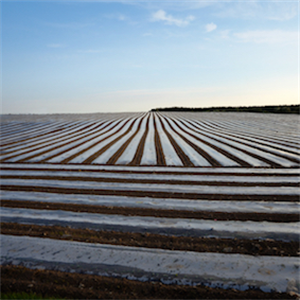
According to the report published in December of the United Nations (BM) Agriculture and Food Organization (FAO), plastic pollution, food safety, human health and environment that penetrates into agricultural soils. This pollution in the soil is thought to be more than plastic pollution in the oceans. FAO reported that the territory contains more microplastic pollution than the oceans, and every year millions of ton of plastic used in the food-design system needed better management. In the Food and Agriculture Organization report, the benefits of plastic in food production and protection from irrigation and silage bags to wood protection were accepted. However, most of these plastics were currently disposable, being buried after use, burned or lost. It was also warned about increasing demand for agricultural plastics.
Microplastics pose a threat in every field]
FAO Deputy General Manager Maria Helena Semedo said it is more microplastic than oceans in the soils. Semendo also stressed that microplastics are potential threat to food and human health by combining in the food chain. Microplastic pollution is a global problem covering the planet from Everest Mount’s peak to deep ocean pits. FAO warned that the future will be ‘cavet’ if no measures are taken. FAO estimates that Asia is the largest user that makes about half of global use by remembering that plastic usage data is limited. It also thinks that global demand for major products such as greenhouse, malaria and silage films will increase 50 percent by 2030. [
]’6R is possible with the model
Professor Jonathan Leake, a member of Sheffield University and UK Sustainable Soils Alliance in England, said "Plastic pollution in agricultural soils is a common and persistent problem that threatens soil health in most parts of the world." As a solution, FAO report is talking about the ‘6R model. So, ‘Reddet, redesign, reduce, reuse, recycle and recover’. 6R model means to adopt farming applications that avoid plastic use, change plastic products with natural or biodegradable alternatives, promote reusable plastic products and improve plastic waste management.
Source: Environmental Protection