


Seaanas seize the discharges in the oceans
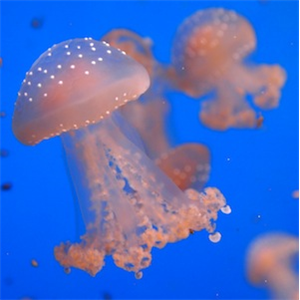
The research carried out by an international team can help scientists understand how many jellyfish can gather.
[[T]]In the article included in the Current Biology magazine, "I'm still uncertain how marines can feel changes in the water. [[
From Deakin University in Australia Warnambool with Swansea University, scientists were placed in France open, 18 major jellyfish (Rhizostoma octopus). The devices attached to the seas captured by the research team measured acceleration and routing. The researchers used floating sensor to determine and measure discharges in the oceans at the same time. The sensors detected that they could swim against the discharge when they feel the jellyfish themselves drift.
[
If in the second part of the research, the researchers turned the movements of the jellyfish on the ocean based on the data on their hands. Prof. Hays provided the protection of the flocks, instead of directing, climbing or dragging them to the shore with their discharges. We can start understanding the dynamism of the flocks by following the behavior format of the jellyfish.
]