


Snow melts, game changes
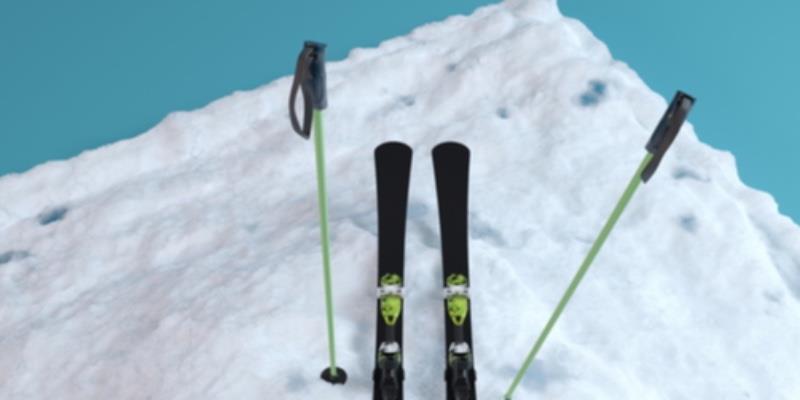
Winter Olympics are extracted with snow and ice for more than a century. But today this white floor is quickly planted. Scientific measurements indicate that global temperature rise directly affects the mountain ecosystems and snow cover.
During the first Winter Olympics held in Chamonix, France in 1924, the average day temperature of February was about 0.4 degrees. At the beginning of the 21st century, this value rises to 7,8 degrees. This increase is not only statistics; a serious risk in terms of race safety, snow quality and organization continuity.
According to the analysis of Climate Central, the potential 93 houses in 2050s will have only 52 to 56 reliable climate conditions from the city. This table shows that the future of winter sports is directly connected to climate policies.
[[T]]]
[Yapay abdominal cost
Organizations of natural snow are turning to artificial snow production. 2022 Beijing Winter Olympics made almost all of the races with artificial snow.
]
Approximately 1.6 million teknik technical profits were produced under the preparation of Milan-Cortina 2026. Approximately 946 million litres of water is planned for the organization. This amount is equivalent to 380 Olympic swimming pool.
Artificial snow provides standard conditions in short term. But due to water consumption and energy needs, it creates new environmental pressures. This application becomes a separate discussion header, especially in areas of living water stress.
Winter tourism and mountain economies at risk
Decrease in snow cover not only affects sports areas. The mountain ecosystems are changing, the local economies addicted to winter tourism are fragile. Seasonal employment, small businesses and regional cultures are directly affected by this transformation.
The International Olympic Committee states that the number of countries with appropriate conditions to host games up to 2040 according to existing projections can be reduced to 10. This means the geographic contraction of the organization.
An issue beyond the sport
Winter Olympics are no longer just a sporting event. The changing snow regime has become one of the most visible indicators of global warming. The future of white tracks is connected directly with the reduction of carbon leaves and the protection of water resources.
[
Emission reduction for sustainability of winter sports, nature-based solutions and local compliance strategies are discussed together. Otherwise snow can be turned into a symbol of climate crisis, from being a sports ground.
Source: Climate Change