


Sustainable goals in clean energy
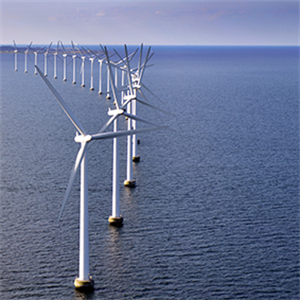
The International Energy Agency (IEA) released a new article titled ‘Covid-19 Crisis’ on Clean Energy Development. In the article indicated that Pandemine has a great effect on energy conversion in the world, blocking investments and slowing the prevalence of clean energy technologies, 10 key topics were discussed in the clean energy field. According to the article expressed that the clean energy technologies before the Covid-19 (Koronavirus) crisis are recorded a promising progress; it is necessary to continue sustainable targets.
Here are 10 effects on the clean energy of coronavirus
1. Short-term reduction in emissions does not guarantee a continuous drop. [[T]]] [
Social and economic activities with serious effects on energy usage due to global secretion came to stop. As a result of this situation, global energy demand was reached in the lowest figures of 70 years. In the 2020 of global emissions, 8 percent reduction is expected by considering the lowest levels since 2010. However, this decline in emissions may not be judged as a rejoining result because of restrictions. According to experts; the economy after the crisis in the past began to return to normal, emissions also reached the old levels. A similar situation after the current crisis is predicted. To achieve long-term climate targets, it also needs smart and ambitious government policies in all sectors. [
2. Renewable energy sources were so durable but government support need to continue.
]
Renewable energy sources have shown durability against the coronavirus crisis so far. The share of renewable energy sources in global electricity supply rises to 28 percent in the first quarter of 2019 (three-month period) while 26 percent in the same period of 2020. However, despite this development, it is expected to slow the increase of renewable energy in 2020. According to IEA, which predicts that the capacity of 167 GW globally would be increased, this value means 13 percent less capacity increases since 2019. Therefore, it is necessary to increase government incentives and maintain capacity increase.
3. Energy efficiency can be supported by incentive plans.
[
Due to coronavirus, there was a sharp decline in energy efficiency spending, and in 2020, it is expected to decline in a total of 10-15 percent. It is very important to produce policies to promote investments to building, infrastructure and technologies in such an environment according to IEA. To ensure a long-term efficiency, it is necessary to maintain and strengthen standards. IEA plans to explain the emergency action plan recommendations regarding energy efficiency soon.
4. Low-carbon electricity generation passed coal but still need to grow significantly.
During the crisis, the share of renewable energy sources in energy mixture has passed thermal power plants. However, this does not mean the same for new investments to renewable resources. IEA estimates that investments to renewable resources in 2020 will fall 10 percent.
5. Electric cars leave their opponent behind but this condition is connected to government support.
]
Despite being an unprecedented decline in global car sales in the first four months of 2020, early data shows that the increase in global electric vehicle sales will continue. In 2020, the global electric vehicle sales approach to 2.3 million by passing 2019 data, and the total number of electric vehicles is estimated to be 10 million. In order to continue the developments in this field, governments recommend to continue their work in areas such as subside and infrastructure. [
6. It can promote positive behavioral changes with smart policies.
Due to the crisis, there were some behavioral changes such as working from home, increasing online shopping. According to IEA, the sustaining of these behavioral changes can provide positive contributions to clean energy conversion. Direct investments to the bike and public transport infrastructure of governments are taken into account the importance of taking steps such as scrap incentive, public information campaigns and pricing policies to increase the transition to more efficient vehicles.
7. The reduction of heavy-industrial emissions can also be more difficult.
Due to the current crisis, it is primarily focused on demonstrating production and standing up companies. Given the long investment cycles in heavy industry, it is necessary to prioritize the performance of low emission technologies and existing assets in investments performed throughout the recovery period. Otherwise, industrial technology projects that do not produce almost no emissions due to financial difficulties can be delayed or cancelled. This can threaten long-term emission reduction efforts in heavy industry.
[email protected] 8. New technologies like storage and hydrogen are supported.
[
Both energy storage and hydrogen are evaluated as a critical technology for reducing emissions across energy systems. According to IEA; the predictive work of governments to contribute to the economic recovery of storage and hydrogen is necessary to conduct rigorous planning and support these technologies. [
9. Clean energy investments are relatively durable, but still need a dramatic increase.
According to the Sustainable Development Scenario of the IEA, renewable energy and energy efficiency expenditures have to increase until the end of 2020. Despite the uncertainties of current crisis, reaching higher capital levels in the field of clean energy Home. According to IEA, solar and wind energy have the cheapest and short investment cycles for policy makers.
10. New steps required for zero emission target.
Public spending for low-carbon energy ar-ge (research-development) studies around the world rises to 25 billion dollars in 2019. Corporate ar-ge spending increased by 3 percent in 2019, and 60 percent of this value were used to improve low carbon technologies. While supporting these developments according to IEA is mainly connected to the public, it is important to create a market that provides support for corporate investments and technological developments.
Here are 10 effects on the clean energy of coronavirus
1. Short-term reduction in emissions does not guarantee a continuous drop. [[T]]] [
Social and economic activities with serious effects on energy usage due to global secretion came to stop. As a result of this situation, global energy demand was reached in the lowest figures of 70 years. In the 2020 of global emissions, 8 percent reduction is expected by considering the lowest levels since 2010. However, this decline in emissions may not be judged as a rejoining result because of restrictions. According to experts; the economy after the crisis in the past began to return to normal, emissions also reached the old levels. A similar situation after the current crisis is predicted. To achieve long-term climate targets, it also needs smart and ambitious government policies in all sectors. [
2. Renewable energy sources were so durable but government support need to continue.
]
Renewable energy sources have shown durability against the coronavirus crisis so far. The share of renewable energy sources in global electricity supply rises to 28 percent in the first quarter of 2019 (three-month period) while 26 percent in the same period of 2020. However, despite this development, it is expected to slow the increase of renewable energy in 2020. According to IEA, which predicts that the capacity of 167 GW globally would be increased, this value means 13 percent less capacity increases since 2019. Therefore, it is necessary to increase government incentives and maintain capacity increase.
3. Energy efficiency can be supported by incentive plans.
[
Due to coronavirus, there was a sharp decline in energy efficiency spending, and in 2020, it is expected to decline in a total of 10-15 percent. It is very important to produce policies to promote investments to building, infrastructure and technologies in such an environment according to IEA. To ensure a long-term efficiency, it is necessary to maintain and strengthen standards. IEA plans to explain the emergency action plan recommendations regarding energy efficiency soon.
4. Low-carbon electricity generation passed coal but still need to grow significantly.
During the crisis, the share of renewable energy sources in energy mixture has passed thermal power plants. However, this does not mean the same for new investments to renewable resources. IEA estimates that investments to renewable resources in 2020 will fall 10 percent.
5. Electric cars leave their opponent behind but this condition is connected to government support.
]
Despite being an unprecedented decline in global car sales in the first four months of 2020, early data shows that the increase in global electric vehicle sales will continue. In 2020, the global electric vehicle sales approach to 2.3 million by passing 2019 data, and the total number of electric vehicles is estimated to be 10 million. In order to continue the developments in this field, governments recommend to continue their work in areas such as subside and infrastructure. [
6. It can promote positive behavioral changes with smart policies.
Due to the crisis, there were some behavioral changes such as working from home, increasing online shopping. According to IEA, the sustaining of these behavioral changes can provide positive contributions to clean energy conversion. Direct investments to the bike and public transport infrastructure of governments are taken into account the importance of taking steps such as scrap incentive, public information campaigns and pricing policies to increase the transition to more efficient vehicles.
7. The reduction of heavy-industrial emissions can also be more difficult.
Due to the current crisis, it is primarily focused on demonstrating production and standing up companies. Given the long investment cycles in heavy industry, it is necessary to prioritize the performance of low emission technologies and existing assets in investments performed throughout the recovery period. Otherwise, industrial technology projects that do not produce almost no emissions due to financial difficulties can be delayed or cancelled. This can threaten long-term emission reduction efforts in heavy industry.
[email protected] 8. New technologies like storage and hydrogen are supported.
[
Both energy storage and hydrogen are evaluated as a critical technology for reducing emissions across energy systems. According to IEA; the predictive work of governments to contribute to the economic recovery of storage and hydrogen is necessary to conduct rigorous planning and support these technologies. [
9. Clean energy investments are relatively durable, but still need a dramatic increase.
According to the Sustainable Development Scenario of the IEA, renewable energy and energy efficiency expenditures have to increase until the end of 2020. Despite the uncertainties of current crisis, reaching higher capital levels in the field of clean energy Home. According to IEA, solar and wind energy have the cheapest and short investment cycles for policy makers.
10. New steps required for zero emission target.
Public spending for low-carbon energy ar-ge (research-development) studies around the world rises to 25 billion dollars in 2019. Corporate ar-ge spending increased by 3 percent in 2019, and 60 percent of this value were used to improve low carbon technologies. While supporting these developments according to IEA is mainly connected to the public, it is important to create a market that provides support for corporate investments and technological developments.
Source: Energy