


The Internet can accelerate development in rural
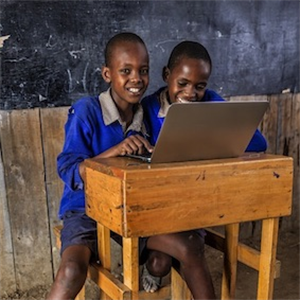
New released 2021 World Social Report Reevaluate the Rural Development (World Social Report – Reconsidering Rural Development), new approaches that are possible through advanced access and internet connection, believed about 3.4 billion people living in rural areas. In the report, at the same time, the coronavirus epidemic is drawn under the threat of completely stopping the progress for the rural population of the world, along with poverty and inequalities in the current high levels. However, with pandemi, it is noted that the rural population can end up its development with new technologies.
There are opportunities for the future with the exception
The United Nations Secretary General António Guterres, saying that new technologies create new opportunities for rural development, “More green, more inclusive, and have opportunities to build a durable future. Pandemi experience, for example, in cases where high-quality internet connection is combined with flexible working regulations, traditionally urban accepted many work can also be done in rural areas.” According to the report; the rise of new digital technologies, access to rural population, digital finance, providing precise tools for better crop yields and remote jobs to build a bridge between rural-urban. [
percent of the tubes live in rural]
Some data are included in the report. Around 67 percent of the population of low-income countries and 60 percent of low-middle countries live in rural areas. 80 percent of those living under the border of the international poverty accumulates in rural areas, and one of the five people in rural segments lives in extreme poverty (this is a four times higher than urban population). It is very few people access to education, health and other basic services. Women in rural segment continue to be exposed to discrimination when it comes to old and domestic people, land rights and employment. Rural areas host most of the natural life of the planet, which is currently exhausting and shrinking. Unforestation and unustainable land applications contribute to the spread of climate change and zoonotic (the disease transmitted from animals to humans or people). The report offers new strategies to ensure that the world economy is not left behind the rural population (about half of people in the world) while increasing efforts to reduce inequalities and fight climate crisis. The report calls people, their lives, rural living standards.
Sometimes are removed by law]
The approach called ‘Cityization’ (In Situ Urbanization) aims to provide the benefits of the same living standard with the urban population of rural population without negative side effects of non-existing urbanization. The report revealed examples that the access to Sri Lanka, Japan and China has improved access to educational and health services, increasing investment in rural infrastructure and leads to better living conditions for rural population of decreasing income equality between rural and rural areas. The report states that the rural poverty in China, India and Indonesia decreases between 2000 years and 2015, but the rural equality increases. In the report, in order to promote social progress in rural areas, the address of inequalities is expressed to be carried out with the efforts of reducing poverty. Accordingly, new earth reform policies should be created and expanded social protection is widely spread. Distinctive laws of women in the rural segment are removed from the equalitys of domestic people, other fragile groups.
]95% of land areas up to 2050]
]]
According to the report; the return of natural habitats to agricultural land led to 60 to 70 percent of total biodiversity loss. The loss of forests and wildlife caused zoonotic diseases, such as coronavirus. Intergovernmental Climate Change Panel (IPCC) states that approximately 31 percent of global greenhouse emissions are directly related to changes in agriculture and land use. It is necessary to implement policies to create resistance and reduce the brittleness of rural sources against climate change. The report recommends taking steps to improve crop varieties, which are less than land density, implement mixed farming and switch to circular economy. In addition, approximately 30 percent of the 2030 will be a water deficit and if existing rural development models continue, 95 percent of the world’s land areas up to 2050 are predicted. In the report, attention is paid to the importance of taking into account the sustainable use of resources and measures promoting food safety.
[
Agricultural industry should be strengthened]
It is noted that small-scale farmers in countries that host at least 501 million agricultural workers are under the risk of reaching the goal of Sustainable Development Goals in double their agricultural productivity and revenues. The report states that by improving infrastructure, using appropriate technology, providing incentives and increasing investments, more action is needed to increase agricultural productivity. It emphasizes the importance of focusing on agricultural models to support country-specific and small farm owners. The importance of the expansion of non-farm activities, which is a potential source of income for young people in new strategies, is the key to a rural transformation.
Source: EcoIQ
Source: Sustainable Development