


The poplars brought to the ecosystem have grown again
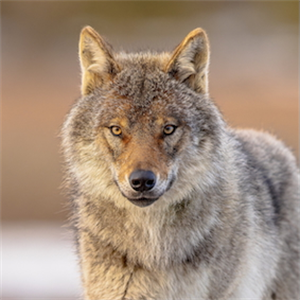
In Yellowstone, the symbol of the world’s national parks, once again regenerating the corpses to nature, triggered a dramatic transformation in the ecosystem. Poplar trees, which do not grow for 80 years, started to join the forest cover for the first time. This development once again proves how each type in nature is connected to each other.
The balance was deteriorated][
In the 1930s, due to intensive hunting, narrowing of living spaces and government-supported push programs, the collapsed population in Yellowstone zero. The number of deterrents has increased rapidly with erasing from the ecosystem. The geyik population, which reached 18 thousand in the summit, brought the natural regeneration of forests by consuming grass, shrubs and especially young poplar seedlings across the park. In the research conducted in 1990s, the young poplar seedlings in the region were almost never encountered. This table, where only older trees are left, the new generation can not develop, was an open indicator of chain distortion in the ecosystem. [
Ekosystem relive
In 1995, the breakdowns re-released to Yellowstone have launched a huge transformation in the ecosystem in a short time. The reduction in the number of deeries that the wolfs are hunting has created the environment for the growth of young poplars. The team led by Ekologyst Luke Painter from Oregon State University noted that in 2012, young poplars reach the top layer of the first time. In observations of 87 different points according to the research, healthy, tall young poplars were detected in one of the three areas. This was the first time in the region since 1940s. The researchers stressed that these young seedlings have critical importance for the future of the forest.
This time weon threat...
Although the return of the maggots has regrown, the ecosystem is not fully stabilized. In recent years, the population of the American Latvian increased in Yellowstone creates a new threat for young poplars. Unlike deer, we can quickly multiply because we are less hunting by wolfs, which can restrict the development of young seedlings in some regions. Ecologyists remember that poplars provide not only for their species; but also for a large number of species, such as birds, insects, mammals and especially cunduzes. Kunduz uses poplar as basic material in both food source and dam building. Therefore, the reforestation of poplars increases the resistance of the entire ecosystem.
What is the yellowstone example?]
Yellowstone example shows that no species in nature is independent of the other, a critical role in the functioning of the ecosystem of each living. Not only poplars with the return of the wolfs, birds, insects, cunduzlars and even bears also found relife. This also reveals that every intervention in nature can lead to chaining effects, and the ecological balance can only be reaffirmed with ‘corma’ efforts, but also ‘off’ efforts. Yellowstone’s story offers a strong example to understand the importance of biodiversity and rewinding (rewilding). It reminds you that it should not only observe nature but actively recognize the area.
Source: Ecosystems