


Under the risk of natural and cultural heritage of the world
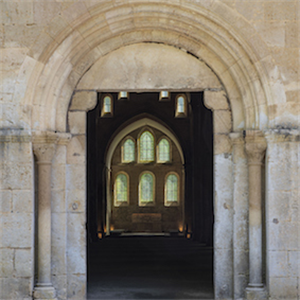
Climate change threatens not only our daily life, but also the cultural and natural heritage of humanity. The 17 European World Heritage area, which is located in a geography ranging from Swiss ice, Spain to Doñana National Park, is under serious danger due to climate risks such as flood and drought. Although these areas are the structures and natural formations that have been witnessed by humanity history for hundreds of years, they face these new threats brought by climate change.
The most risky inheritance areas in Sweden and France][
The Engelsberg Iron Factory of Sweden can be one of the biggest victims in Europe. With its history extending to the 17th century, this iron factory is considered a distinguished example of the European industrial complex. However, under the threat of surface and river stones, this area may undergo irreversible damage if global greenhouse gas emissions are not reduced. Similarly, at Grotte Chauvet-Pont d'Arc cave in France is also under great risk. This cave, which dates back to 32.000 years ago, contains the oldest figurative drawings known in the world and faces the threat of surface stones with earth slips. [
[
]Natural beauties under threat
] Jungfrau-Aletsch region in Switzerland Alps is known as the largest iceplace in Europe. But the river stones also threaten this region, and this magnificent natural beauty can have great harm in the near future. Zollverein Coal Mine Industry Complex in Germany and Rjukan-Notodden industrial heritage area in Norway is also faced with surface stones and other hazards caused by climate change. The Monastery of Fontenay Sister in France is another cultural heritage area founded in 1119. However, if greenhouse gas emissions are not reduced, this historic structure may face the danger of being destroyed due to water floods. Natural areas such as Bulgaria’s Srebarna Nature Protection Area and its biological diversity in Romania are also under the threat of river stones.
We must move to protect our friends]
As Climate X’s CEO Lukky Ahmed said, climate change affects not only natural and cultural heritage areas but also communities and economies across the world. The loss of UNESCO World Heritage sites can give destructive results for humanity. Therefore, governments, guarders and global society should prioritize the protection of our planet and take urgent steps to secure our future. These World Heritage sites in Europe host unique examples of human history and natural beauties. But climate change threatens these unique treasures, and if we do not go to action, we face them with the risk of losing.
Source: Euronews
The most risky inheritance areas in Sweden and France][
The Engelsberg Iron Factory of Sweden can be one of the biggest victims in Europe. With its history extending to the 17th century, this iron factory is considered a distinguished example of the European industrial complex. However, under the threat of surface and river stones, this area may undergo irreversible damage if global greenhouse gas emissions are not reduced. Similarly, at Grotte Chauvet-Pont d'Arc cave in France is also under great risk. This cave, which dates back to 32.000 years ago, contains the oldest figurative drawings known in the world and faces the threat of surface stones with earth slips. [
[
]Natural beauties under threat
] Jungfrau-Aletsch region in Switzerland Alps is known as the largest iceplace in Europe. But the river stones also threaten this region, and this magnificent natural beauty can have great harm in the near future. Zollverein Coal Mine Industry Complex in Germany and Rjukan-Notodden industrial heritage area in Norway is also faced with surface stones and other hazards caused by climate change. The Monastery of Fontenay Sister in France is another cultural heritage area founded in 1119. However, if greenhouse gas emissions are not reduced, this historic structure may face the danger of being destroyed due to water floods. Natural areas such as Bulgaria’s Srebarna Nature Protection Area and its biological diversity in Romania are also under the threat of river stones.
We must move to protect our friends]
As Climate X’s CEO Lukky Ahmed said, climate change affects not only natural and cultural heritage areas but also communities and economies across the world. The loss of UNESCO World Heritage sites can give destructive results for humanity. Therefore, governments, guarders and global society should prioritize the protection of our planet and take urgent steps to secure our future. These World Heritage sites in Europe host unique examples of human history and natural beauties. But climate change threatens these unique treasures, and if we do not go to action, we face them with the risk of losing.
Source: Euronews
Source: News