


UNICEF calls the world to change for children
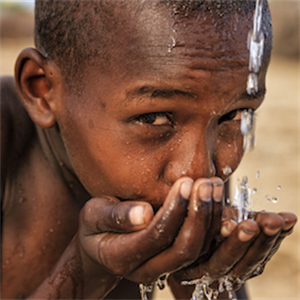
UNICEF’s “Children’s Change” report published before the COP28 climate change peak offers a stunning picture of how the risk of water scarcity threatens children. Climate change is shown as one of the main causes of this emergency situation affecting 739 million children worldwide.
The risks that children face
] [[T]]The three levels of water safety in the intestine (water shortage, water shortage risk and water stress) are examined at a global level, in detail how children are affected by this situation. It is noted that children are exposed to extreme weather events such as diseases, air pollution, flood and drought caused by climate crisis. Another important point highlighted in the report is that children grow under the influence of environmental conditions until the moment they fell from the mother's womb, so they are under more risk than the adult. [
[
The needs of children are ignored[[[ T8] UNICEF General Director Catherine Russell, in the description that he made about the report, "The results of change are destructive for children. Their body and minds are extremely vulnerable to dirty weather, insufficient nutrition and excessive warm. Climate change; the depletion of water resources and the detention of air events such as more powerful and frequent life, but not only change the environment in children, but also affects mental and physical health. Children want to change, but their needs are often ignored," she said.
] Stunning regional changes
According to theRapora, children in the Middle East, North Africa and South Asia regions are exposed to factors such as limited water sources, variable climate conditions and high risk of drought. Living under the risk of excessive water scarcity, 436 million children live in areas with low-level drinking water services. This situation threatens children’s life, health and well-being seriously and is one of the main factors in deaths caused by 5 years old children’s prerequisiteable diseases.
In the report, it is also predicted that climate change increases water stress as a result of increased water demand and can find 35 million of children who will be exposed to water stress by 2050. However, the report pays attention to that the climate financing only supports 2,4 children-friendly projects.
A call ofUNICEF
] UNICEF is in COP28, together with children to secure world leaders and international society, a livable planet and calls to take the following critical steps for children:
] Home Providing more space to children in the final Decisions of COP28; establishing a dialogue environment by combining specialist people in child and climate change,
Home inclusion of global stock count (GST) in the principle of equality between children and generations,[
Home The final decision to be taken on Global Compliance Goal (GGA) includes children and climate resistant basic services,
Home Ensuring that lost and damage Fund and financing regulations are child-friendly and the child rights are observed in decision-making processes with the management of funds.
The risks that children face
] [[T]]The three levels of water safety in the intestine (water shortage, water shortage risk and water stress) are examined at a global level, in detail how children are affected by this situation. It is noted that children are exposed to extreme weather events such as diseases, air pollution, flood and drought caused by climate crisis. Another important point highlighted in the report is that children grow under the influence of environmental conditions until the moment they fell from the mother's womb, so they are under more risk than the adult. [
[
The needs of children are ignored[[[ T8] UNICEF General Director Catherine Russell, in the description that he made about the report, "The results of change are destructive for children. Their body and minds are extremely vulnerable to dirty weather, insufficient nutrition and excessive warm. Climate change; the depletion of water resources and the detention of air events such as more powerful and frequent life, but not only change the environment in children, but also affects mental and physical health. Children want to change, but their needs are often ignored," she said.
] Stunning regional changes
According to theRapora, children in the Middle East, North Africa and South Asia regions are exposed to factors such as limited water sources, variable climate conditions and high risk of drought. Living under the risk of excessive water scarcity, 436 million children live in areas with low-level drinking water services. This situation threatens children’s life, health and well-being seriously and is one of the main factors in deaths caused by 5 years old children’s prerequisiteable diseases.
In the report, it is also predicted that climate change increases water stress as a result of increased water demand and can find 35 million of children who will be exposed to water stress by 2050. However, the report pays attention to that the climate financing only supports 2,4 children-friendly projects.
A call ofUNICEF
] UNICEF is in COP28, together with children to secure world leaders and international society, a livable planet and calls to take the following critical steps for children:
] Home Providing more space to children in the final Decisions of COP28; establishing a dialogue environment by combining specialist people in child and climate change,
Home inclusion of global stock count (GST) in the principle of equality between children and generations,[
Home The final decision to be taken on Global Compliance Goal (GGA) includes children and climate resistant basic services,
Home Ensuring that lost and damage Fund and financing regulations are child-friendly and the child rights are observed in decision-making processes with the management of funds.
Source: Announcements