


Wastes and Environment
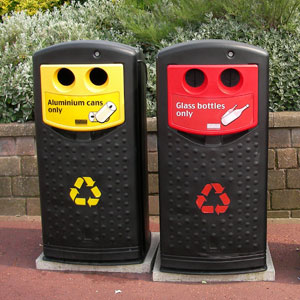
First, you need to start with waste definition. In general, “the result of production and use activities is called waste to substances that need to be removed from the environment we live.” Wastes are divided into various classes. Keep out of waste in energy production, there are many classifications from packaging wastes, even after frying. However, we become the most diverse packaging wastes in our daily life, waste batteries and vegetable waste oils.
Packing wastes include many materials such as newspaper papers, milk – juice boxes, glass and plastic bottles, detergent boxes. If these wastes are collected and regained, they have added serious values to the economy and the environment. Tags. Given the times that these substances do not exist in nature, it can be predicted how severe consequences of waste to be left in natural environments as garbage. For example, the duration of a placenta in nature is 1000 years.
Among all the ingredients we use glass, it is the only substance that can be recycled 100% and has endless use. The glass is collected from the environment after passing through the process of separation, cleaning, washing and grinding. Fragment and re-evaluation of broken glass allows 32% less energy use from the main process. So, when a single glass bottle is recycled, a 100 Watt bulb will save energy that can burn four hours. The glass produced by recycling instead of raw material use reduces the air pollution caused by 20% during production, water pollution also by 50%. A feature of glass packaging is that glass bottles and jars can be used again by washing. These are washed in the factory after being collected and filled again. A glass bottle is recycled after using an average of 20 times. [[T]]] [
Pulp fiber, wood, cotton, sugar cane and used paper with raw material of paper. Waste paper in Europe meets 65% of all paper production. However, 40% of the produced paper can be recycled in the best conditions. A ton of paper made from 100% recycled paper; 17 trees, 4100 kws energy and about 26.5 m3 water saving. Recycled lifted paper reduces air pollution by 74%, water pollution 35%, energy consumption by 28%. However, it should be noted that the recycling of paper is not endless as glass. [
Packing wastes include many materials such as newspaper papers, milk – juice boxes, glass and plastic bottles, detergent boxes. If these wastes are collected and regained, they have added serious values to the economy and the environment. Tags. Given the times that these substances do not exist in nature, it can be predicted how severe consequences of waste to be left in natural environments as garbage. For example, the duration of a placenta in nature is 1000 years.
Among all the ingredients we use glass, it is the only substance that can be recycled 100% and has endless use. The glass is collected from the environment after passing through the process of separation, cleaning, washing and grinding. Fragment and re-evaluation of broken glass allows 32% less energy use from the main process. So, when a single glass bottle is recycled, a 100 Watt bulb will save energy that can burn four hours. The glass produced by recycling instead of raw material use reduces the air pollution caused by 20% during production, water pollution also by 50%. A feature of glass packaging is that glass bottles and jars can be used again by washing. These are washed in the factory after being collected and filled again. A glass bottle is recycled after using an average of 20 times. [[T]]] [
Pulp fiber, wood, cotton, sugar cane and used paper with raw material of paper. Waste paper in Europe meets 65% of all paper production. However, 40% of the produced paper can be recycled in the best conditions. A ton of paper made from 100% recycled paper; 17 trees, 4100 kws energy and about 26.5 m3 water saving. Recycled lifted paper reduces air pollution by 74%, water pollution 35%, energy consumption by 28%. However, it should be noted that the recycling of paper is not endless as glass. [
Source: Our Authors