

“We don’t lose”
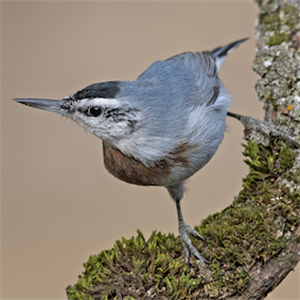
Published by WWF-Turkey (Natural Life Protection Foundation) “We don’t lose: Protected Areas for a Sustainable Turkey Target: Up to 2030” report, climate regulation, soil formation, migrations of living communities, carbon and water cycle, are considered to be vital for the sustainability of human life and ecological system, which helps to continue ecological processes, genetic resources, and species under danger. The report was presented to the public prior to May 22, declared the Day of Biological Diversity by the United Nations due to the day of the Biological Diversity Agreement.
It should be protected at least 3 of the terrestrial and marine ecosystems
[[T]]Raporda summarizes new moves and grounds in the direction of increasing protected areas as follows: From the acceptance of the Biological Diversity Agreement (1992), the targets placed since and the efforts shown for 30 years have been braking the process of the absence in nature, but it was not enough to reverse the decline in biodiversity loss. According to WWF’s 2020 Living Planet Report, live populations with spine over the past 50 years decreased 68%. Intergovernmental Biological Diversity and Ecosystem Services revealed that the Science and Policy Platform (IPBES) 2019 report was threatened by 1 million live types in the world. Within the scope of the Biological Diversity Convention, the accepted and protected areas in 2010 were not accessible to 17% in the terrestrial ecosystems, 10 percent on sea and coasts 2020 targets (Aichi Goals). Now the determination of new goals for 2030 in the agenda and scientists say that at least three of the terrestrial and marine ecosystems to guarantee the healthy functioning of the Earth (30), and in these areas everything should be allowed to be diluted in natural dynamics. [
[
The rate of areas protected in Turkey is only 8.9% [
WWF-Turkey report is included in the world-wide comparative data for protected areas: In 1970, the ratio of globally protected areas reached 13.9% in 2020 by increasing five times in the last 50 years, while the rate of the terrestrial surface was 2.6%. The average of the EU is 25.9%,9 percent of the protected areas of the country, including Poland, Germany, Greece. One of the most rich countries in Mediterranean bird in terms of the variety of species and habitat and the total net size of protected areas as of 2020 according to the official data in Turkey, known as the highest indemism, 67.773 km2 and the country of these areas is only 8.9%.7%.
The situation is similar in marine protection areas. The total area covered by the protection areas in the world in 2000 is about 2 million km2 (0,7% of the residents), as of 2020, this number is 26.947.375 km2 (%) 7,44) reached. 4% of Turkish land have legal protection status.
“The steps we will take from today will shape the next centuries’
] WWF-Turkey Natural Protection Director Dr. Sedat Pen made the following explanation on the topic: “The speed alarming level in natural field and biological diversity loss; the future of man also under risk. Our final chance is 2030. So, the progress we will save in the next 10 years will shape the next century. It is necessary to implement a strong collaboration between the public, business world and civil society at the beginning of 10 years. The explanations that are declared by the Ministry of Environment and Urbanization are taken to 17% of our territories protected in the third year of our Republic, show that the political will required for a ambitious target, such as 30% in 2030. 16th of the Biological Diversity Agreement to be held in 2022. We can sample the world with great steps towards the Parties Conference. "
]
Work Recommendations:
WWF-Turkey’s steps taken into consideration until 2030:
- Establishing a network of protected areas with more and wider areas in Turkey (30); realization of a stronger, better protected area management. [
- It is clear to the participation of inclusive, stakeholders, to ensure that these targets are realized; scientific principles, international nature protection contracts and EU nature protection directives with the adoption of the Nature Protection Law.
- Eliminating the part-of-the-art structure that leads to significant troubles in the effective management of protected areas. Providing better coordination and more effective audits, protection and management among the institutions responsible for nature protection by combining relevant institutions (General Directorate of Protection, General Directorate of Nature Protection).
- Performing local level, more powerful financial and administrative facilities and staff-based new execution in order to increase the effectiveness of the protected area management, including infrastructure work, training-research-research activities to a wide range of voluntary relations.
- Avoid status changes in protected areas.
It should be protected at least 3 of the terrestrial and marine ecosystems
[[T]]Raporda summarizes new moves and grounds in the direction of increasing protected areas as follows: From the acceptance of the Biological Diversity Agreement (1992), the targets placed since and the efforts shown for 30 years have been braking the process of the absence in nature, but it was not enough to reverse the decline in biodiversity loss. According to WWF’s 2020 Living Planet Report, live populations with spine over the past 50 years decreased 68%. Intergovernmental Biological Diversity and Ecosystem Services revealed that the Science and Policy Platform (IPBES) 2019 report was threatened by 1 million live types in the world. Within the scope of the Biological Diversity Convention, the accepted and protected areas in 2010 were not accessible to 17% in the terrestrial ecosystems, 10 percent on sea and coasts 2020 targets (Aichi Goals). Now the determination of new goals for 2030 in the agenda and scientists say that at least three of the terrestrial and marine ecosystems to guarantee the healthy functioning of the Earth (30), and in these areas everything should be allowed to be diluted in natural dynamics. [
[
The rate of areas protected in Turkey is only 8.9% [
WWF-Turkey report is included in the world-wide comparative data for protected areas: In 1970, the ratio of globally protected areas reached 13.9% in 2020 by increasing five times in the last 50 years, while the rate of the terrestrial surface was 2.6%. The average of the EU is 25.9%,9 percent of the protected areas of the country, including Poland, Germany, Greece. One of the most rich countries in Mediterranean bird in terms of the variety of species and habitat and the total net size of protected areas as of 2020 according to the official data in Turkey, known as the highest indemism, 67.773 km2 and the country of these areas is only 8.9%.7%.
The situation is similar in marine protection areas. The total area covered by the protection areas in the world in 2000 is about 2 million km2 (0,7% of the residents), as of 2020, this number is 26.947.375 km2 (%) 7,44) reached. 4% of Turkish land have legal protection status.
“The steps we will take from today will shape the next centuries’
] WWF-Turkey Natural Protection Director Dr. Sedat Pen made the following explanation on the topic: “The speed alarming level in natural field and biological diversity loss; the future of man also under risk. Our final chance is 2030. So, the progress we will save in the next 10 years will shape the next century. It is necessary to implement a strong collaboration between the public, business world and civil society at the beginning of 10 years. The explanations that are declared by the Ministry of Environment and Urbanization are taken to 17% of our territories protected in the third year of our Republic, show that the political will required for a ambitious target, such as 30% in 2030. 16th of the Biological Diversity Agreement to be held in 2022. We can sample the world with great steps towards the Parties Conference. "
]
Work Recommendations:
WWF-Turkey’s steps taken into consideration until 2030:
- Establishing a network of protected areas with more and wider areas in Turkey (30); realization of a stronger, better protected area management. [
- It is clear to the participation of inclusive, stakeholders, to ensure that these targets are realized; scientific principles, international nature protection contracts and EU nature protection directives with the adoption of the Nature Protection Law.
- Eliminating the part-of-the-art structure that leads to significant troubles in the effective management of protected areas. Providing better coordination and more effective audits, protection and management among the institutions responsible for nature protection by combining relevant institutions (General Directorate of Protection, General Directorate of Nature Protection).
- Performing local level, more powerful financial and administrative facilities and staff-based new execution in order to increase the effectiveness of the protected area management, including infrastructure work, training-research-research activities to a wide range of voluntary relations.
- Avoid status changes in protected areas.
Source: Announcements