


Why did cities begin to limit the number of tourists?
For years, tourism was considered one of the most important indicators of growth for cities. But today some cities discuss how to manage the number of visitors available, rather than attract more tourists. Because the problem is no longer the number of visitors, the carrying capacity.
Turism has grown, cities decreased[
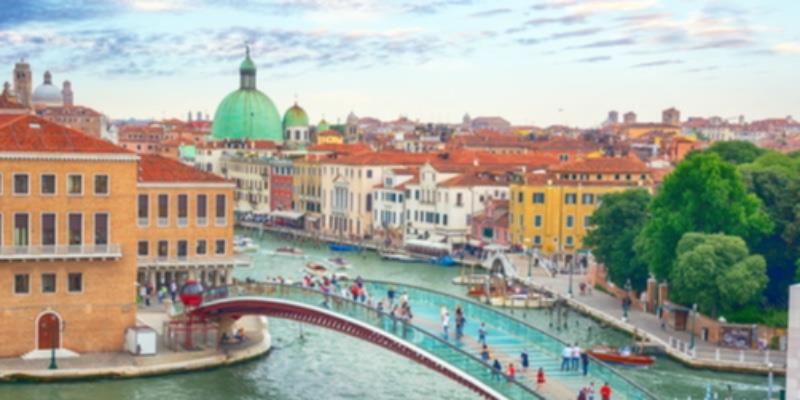
Venice is one of the most striking examples. The population of about 500 thousand in 1951 has returned to 250 thousand levels today. As one of the main reasons for this drop, tourism printing is shown. A similar imbalance is seen in Barcelona. 1.6 million populated cities have welcomed more than 26 million tourists in 2024. When the cruise passengers are added, this number exceeds 10 times of the local population. In Dubrovnik, there are 27 tourists to stay in each local during intensive periods. This table shows that tourism is not only an economic activity, but also creates a spatial and social print. [
]Citys now interfere
Cities against this printing have now started to produce direct policy. Venice expanded its entry fee app for day-to-day visitors. Starting in certain days in 2024, the application started about 60 days as of 2026. Pricing system dynamic: Early bookings pay less fee. The resulting income is transferred directly to cultural protection projects. Barcelona scored a more radical step. The city plans to remove all short-term rental licenses from 2028. Also the accommodation tax was increased and the required booking for tourist buses was given. This is not only the number, but also a model for managing movement. There is a “built-based” system in Amsterdam. The annual number of visitors needs to interfere with the management when reaching 20 million. Besides this, the cruise tourism is reduced and the total tax burden on visitors is seriously increased.
Two different strategy stands out]
Data shows that cities develop two basic approaches.
The first approach is economical: limit the request with price. Taxes, entry fees and cost-enhancing measures come into this category. European cities mainly prefer this method because the direct bans are politically more sensitive.
The second approach is directly limiting: the historical center in Dubrovnik can simultaneously take up to 10 thousand visitors. This number was before 40 thousand. The number of visitors per day in Machu Picchu is limited to about 2500. The climbing to Fuji Mountain in Japan was limited to 4 thousand people per day and the route is closed at certain hours.
The redesign of teaching
These policies not only aim to reduce the number. The main purpose is to change the nature of tourism. The average stay in Barcelona while the number of tourists decreases. However, the local administration evaluates it as part of the transformation, not as failure. The target is less but more spent visitors. There is a similar trend in Dubrovnik. Tourist minimises at night, but this is seen as an informed redirect. This approach shows that tourism passes “value”-oriented model from the “volume”-oriented model.
Economic shrinks, change direction]
This is noteworthy: Despite all these restrictions, tourism economy is minimized. It is expected to reach 838 billion dollars in 2025 percent of tourism spending in Europe. This shows that cities reduce tourism, reshape. Tourism is no longer a matter of growth, not a matter of balance. The main question for cities is changing: Is it more visitors, or a more liable city? The answer to this question will determine not only the tourism, but the future of cities.
Source: Sustainable Living