


Report
2026 Living Planet Report: Nature loss continues, recovery possible
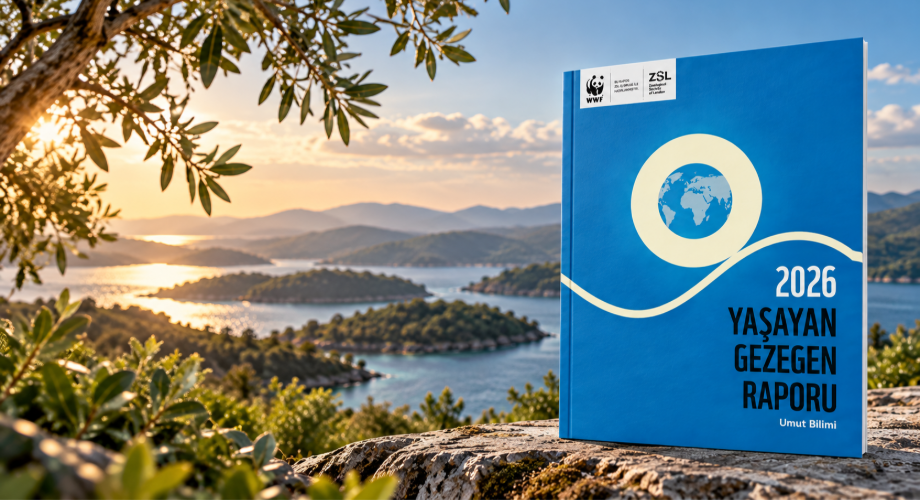
Pressure on wildlife around the world is increasing. On the other hand, long-term conservation efforts enable some species to recover. WWF's 2026 Living Planet Report considers the extent of loss in nature and the consequences of conservation efforts.
WWF and the Zoological Society of London (ZSL) examine data for the period 1970-2022 in the report. The findings show a 73 percent decline in the average size of monitored wildlife populations. The report, published with the theme of Science of Hope, focuses on the conditions under which nature can recover.
What does the 73 percent decrease mean?
The Living Planet Index measures the change over time of 35,803 populations of 5,790 vertebrate species. The 73 percent decrease does not mean that the world's animals are disappearing at this rate. The index reveals the change in the average size of monitored populations.
The extent of losses varies according to ecosystems. Freshwater ecosystems show the largest decline, at 85 percent. This rate is 69 percent in terrestrial ecosystems and 59 percent in seas. Pollution, excessive resource use and habitat degradation especially threaten freshwater creatures.
Regional differences also attract attention. The decline reaches 95 percent in Latin America and the Caribbean and 80 percent in Africa. However, it is necessary to evaluate this data in its historical context. A significant portion of the major nature losses in Europe and North America occurred before 1970. For this reason, lower rates in these regionsrates do not mean that nature is healthier.
Conservation efforts are yielding results
The report shows increases in 43 percent of monitored populations. There is no significant change in 7 percent. Despite this, the global index continues to decline. Because losses in declining populations exceed gains in other populations.
Tigers exemplify the positive results of conservation efforts. The number of tigers living in nature around the world was approximately 3,200 in 2010. This number reached 5 thousand 700 in 2025. The expansion of protected areas, the fight against poaching and international cooperation have supported this development.
There are similar examples in the seas. Overfishing had severely reduced Atlantic and Pacific bluefin tuna populations. Regulating hunting quotas and strengthening monitoring efforts contributed to their recovery.
The situation of African savanna elephants shows regional differences. Populations of the species continue to decline in many regions. In contrast, some populations in southern Africa are growing. Participation of local communities in conservation efforts and the fight against poaching play a role in this development.
An example of success from Turkey: Akyatan
Green sea turtles are one of the prominent examples of the report for Türkiye. The species moved from the "Endangered" category to the "Low Risk" category on the IUCN Red List in 2025. More than 50 years of conservation efforts in at least 80 countries have contributed to this development.
One of the important centers of these studies in Turkey is Akyatan beach in Adana. WWF-Türkiye has been working here for 21 years in cooperation with the 7th Regional Directorate of Nature Conservation and National Parks. The teams have identified approximately 8,200 nests to date. The work contributed to approximately 283 thousand puppies reaching the sea.
The Akyatan example shows how local conservation efforts can contribute to global efforts. However, the improvement in the species' conservation status does not mean that all habitats are safe.
The role of economy in the future of nature
WWF also draws attention to the economic systems behind biodiversity loss. According to the report, food, energy and finance sectors are among the main determinants of the pressure on nature.
The expansion of agricultural areas narrows natural habitats. The use of fossil fuels accelerates climate change. Financing decisions affect the scale at which these activities will continue.
The 2023 data included in the report shows the difference in financing. Approximately 7.3 trillion dollars were transferred to activities that harm nature. The resources devoted to nature protection and restoration efforts remained at approximately 220 billion dollars.
This table reveals that conservation policies should be considered together with economic decisions.
Positive threshold points can accelerate conversion
The report also examines the concept of “positive thresholds”. This concept refers to the self-acceleration of change after a certain stage.
Solar energy is one example of this. As technology becomes more widespread, production costs decrease. Lower costs also encourage new investments. WWF assesses that similar transformations could occur in the food and financial systems.
However, the report emphasizes that these changes have not yet progressed at a sufficient pace in all areas. In order to reduce the pressure on nature, production and investment preferences need to be transformed, as well as conservation policies.
Is it possible for nature to recover?
The 2026 Living Planet Report shows that biodiversity loss continues. However, the recovery of some species also reveals the impact of conservation efforts.
What these examples have in common is continuity. Long-term monitoring studies, effective regulations and inter-institutional cooperation can provide positive results.
WWF's assessment points out that these successes need to be spread more widely to reverse nature loss. The way to do this is not just by protecting species. It is also important to reduce the pressure on natural habitats and make economic systems more compatible with nature.
Source: https://www.wwf.org.tr/guncel/raporlar/?17481/yasayan-gezegen-raporu-2026