


Blog
Why isn't food loss decreasing? What does the UN's 2026 assessment show?
While the world tries to establish a more sustainable food system, an important problem persists: A significant portion of the food produced is lost before reaching the consumer. The United Nations' (UN) assessment of the 2026 Sustainable Development Goals shows that progress in reducing global food loss remains limited.
According to FAO data used in the UN's assessment, the global rate of food loss in the post-harvest and pre-retail stages was 13 percent in 2015. This rate was measured as 13.3 percent in 2023. The eight-year comparison shows no significant improvement in the goal of reducing food losses.
Gıda kaybı yalnızca ekonomik bir sorun değil. Üretimde kullanılan su, enerji, tarım arazileri ve emek de bu kayıplardan etkileniyor.
Why are losses higher in fruits and vegetables?
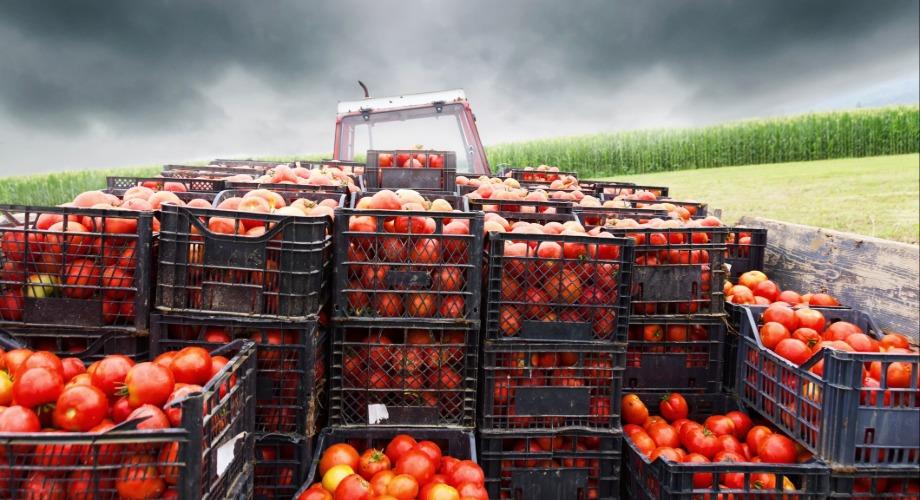
Food loss is not experienced at the same level in all product groups. According to FAO's 2023 data, the global loss rate in fruits and vegetables reaches 25.4 percent. This rate shows that approximately one quarter of the products are lost before reaching the retail stage.
Fruits and vegetables can be sensitive to temperature changes and physical damage after harvest. Lack of appropriate storage conditions, problems experienced during transportation and deficiencies in the cold chain can increase losses.
Therefore, it is not enough to focus only on increasing production. Maintaining the quality of the produced product and delivering it to the market also determines the efficiency of the food system.
Are food loss and food waste the same thing?
Although food loss and food waste are close concepts, they refer to different stages of the food chain.
The Food and Agriculture Organization of the United Nations (FAO) defines reductions from post-harvest to retail as food loss. These losses can occur during storage, processing and transportation processes.
Food waste occurs in retail outlets, restaurants and households. Unconsumed meals, products purchased in excess of need, and food that goes to waste despite being offered for sale are evaluated in this context.
The 13.3 percent figure highlighted in the UN's 2026 assessment measures food loss before retail, not waste at the consumer level. This distinction is important for correct interpretation of the data.
Environmental cost of lost food
When a product is lost before it reaches the consumer, the resources used to grow it do not provide the expected benefit. Water, fertilizer, energy and land used in agricultural production are part of this cost.
Food loss is becoming more significant, especially in regions where pressure on water resources is high. Deterioration of harvested products or damage during transportation causes inefficient use of resources spent on production.
The impact on the climate cannot be ignored either. UNEP's 2024 Food Waste Index Report states that food loss and waste together account for approximately 8 to 10 percent of global greenhouse gas emissions. This rate includes not only pre-retail losses but also waste at the consumption stage.
How can food losses be reduced?
To reduce food loss, it is necessary to focus on the journey of products after harvest. Appropriate storage areas, cold chain infrastructure and more efficient transportation systems can make a difference, especially for perishable products.
Producers' access to post-harvest technologies is also important. Collecting the products at the right time, classifying them under appropriate conditions and delivering them to the market in a shorter time can help reduce losses.
The impact of these steps is not limited to manufacturers. Less crop loss could lead to greater use of existing agricultural production. This can strengthen the economic and environmental resilience of the food system.
How close are we to the 2030 target?
SDG 12.3, one of the United Nations' Sustainable Development Goals, aims to halve food waste per capita at retail and consumer levels by 2030. The same goal also includes reducing food losses in production and supply chains.
However, the UN's 2026 assessment shows that there has been no significant improvement in food loss since 2015. This table points out that more effective solutions are needed in post-production processes to get closer to the 2030 targets.
The future of food security doesn't just depend on how much is produced. How much of the food produced can be preserved and reached the consumer is becoming an increasingly important indicator.
Sources:
• United Nations, Sustainable Development Goals Report 2026, Goal 12.
• Food and Agriculture Organization of the United Nations (FAO), Food Loss Index, 2023 data.
• United Nations Environment Program (UNEP), Food Waste Index Report 2024.
• United Nations, Sustainable Development Goal 12.3.
Source: United Nations